the European Organisation for the Safety of Air Navigation (Eurocontrol) from 23 to 29 September the European Aviation Report It's been published. According to the report, the Istanbul Airport, During this period, it was the busiest airport in Europe with an average of 1438 daily flights.
the Istanbul Airport1,437 daily flights Amsterdam Schiphol, with 1373 flights Paris by Charles de Gaulle and 1328 flights the London Heathrow He followed the airports.
the Antalya Airport It was ranked 10th on the list with 916 daily flights.
Uraloğlu, in his written statement, gave information about the Six-Month Market Information Report of the Turkish Post Department published by the Information Technologies and Communication Authority (BTK) covering the first half of 2024.
Stating that 9 thousand 363 postal agencies and branches served throughout the country in the first half of the year, Uraloğlu said that the number of communication shipments realized in the postal branch of our country was 132.8 million. The share of mid-city shipments in all communication shipments was 85.2 percent. In this period, the provinces where the most communication shipment deliveries took place were Istanbul, Ankara, Izmir, Bursa and Antalya, respectively.
Uraloğlu noted that the number of service providers authorized in the department was 52 and they were given 59 authorizations, 26 of which were national and 33 of which were local.
Uraloğlu pointed out that the number of other mail shipments, which are qualified as mail parcels or cargo, except for communication shipments, has always increased in recent years.
⁇ The number of shipments, which was 598 million in the one-to-one period of last year, increased by 6.9 percent in the first 6 months of 2024 and amounted to 639.2 million units. This increase is due to the rapid growth of e-commerce volume in recent years. This situation also affects the postal market of our country on the positive side. ⁇
Uraloğlu pointed out that the rate of mid-city shipments has a valuable place in the mail parcel and cargo as in the communication shipments, and 80.7 percent of the shipments are in the mid-city category.
NET SALES INCOME OF THE INDUSTRY RISKED TO 56.1 BILLION LIRAY
Uraloğlu drew attention to the fact that the shipment volumes in the mail branch have also increased due to the increase in e-commerce volume in recent years, and emphasized that the revenues obtained from the postal services of the service providers have seen a valuable increase.
Reminding that the sector closed 2019 ⁇ u with a net sales revenue of 7.7 billion liras, Uraloğlu gave the following information:
⁇ The net sales revenues of the sector increased in 2020 with the effect of Covid-19 in e-commerce volume and increased to 13.1 billion liras. The acceleration of the increase continued by increasing to 18.06 billion liras in 2021, 33.5 billion liras in 2022 and 66.7 billion liras in 2023. In the first half of this year, net sales revenues in the mail department nearly doubled compared to the one-to-one transfer of the previous year, increasing to a total of 56.1 billion liras, including approximately 7.2 billion liras in communication shipments and 48.9 billion liras in mail shipments. ⁇
4.8 BILLION RICH INVESTMENT IN POST SERVICE PROVIDERS
Stating that the postal branch has grown rapidly as a concrete result of the investments made in the field of transportation and communication, Uraloğlu made the following assessment:
With the increase in mail traffic, the budget allocated for investment by service providers to respond to this demand has also increased. While the total investment measure made by postal service providers in the first 6 months of 2023 was around 1 billion 515 million liras, this number exceeded 4.8 billion liras in the first 6 months of 2024.
Due to the increasing capacity surplus in the global container freight market, the decline in prices continued to accelerate for the seventh consecutive week.
The World Container Index, prepared by international shipping data and consulting company Drewry, was released in a one-week period ending September 5th. %8 is down. Decline the previous week %It was on level 3.
According to the statement made by Drewry, the spot freight pricing of the 40 ⁇ container in the said week decreased from 5 thousand 181 dollars to 4 thousand 775 dollars.
The rate of increase in the index compared to the same week last year %It was 184.
The average freight price since New Year's has been calculated at $4,127. That's $1,313 more than the 10-year average of $2,814.
Prices are at $1,420, the pre-pandemic level. ove 236, the 10 thousand 377 dollars he saw during the pandemic period was is below.
Freight prices on the Shanghai-Rotterdam line fell, while the Rotterdam-Shanghai line fell %He's down to level two. Thus, prices decreased from $7,204 to $6,219 in Shanghai-Rotterdam and from $622 to $612 in Rotterdam-Shanghai.
Shanghai-Los Angeles Line %3 dropped from $6,248 to $6,30, while the Los Angeles-Shanghai line %It went from $710 to $714 in an increase of one.
Shanghai to New York %2nd, New York-Shanghai %1 on the Rotterdam-New York line. increase was recorded.
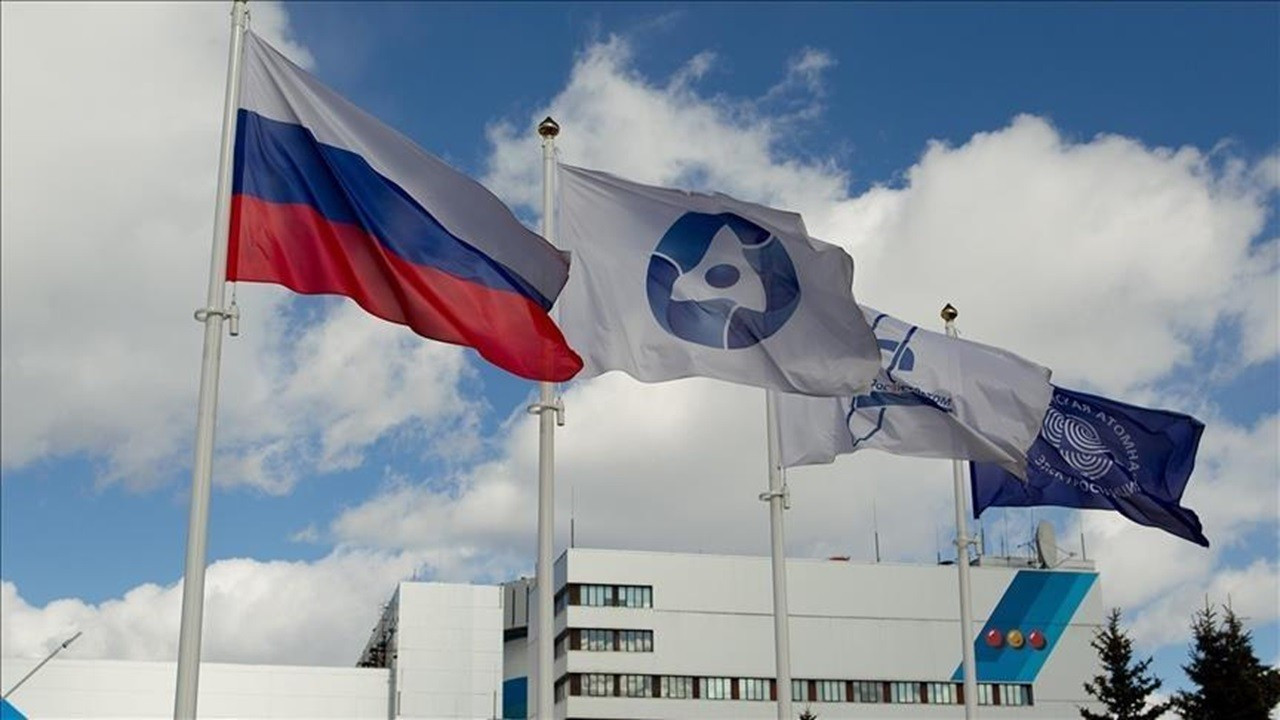
The report, published by Rosatom, includes information on the company's global activities.
In the report, which pointed out that the Russian company carries out projects in more than 60 countries, it was stated that the total portfolio size abroad increased to 127.1 billion dollars last year.
In the report, which emphasized that Rosatom ⁇ had a strong increase in its revenues last year, ⁇ Company revenue increased by 45.6 percent compared to 2022 ⁇ last year to 2.5 trillion rubles. This was achieved mainly through transportation, products containing uranium and enrichment services, the sale of electricity and other energy sources.
The report also noted that the company's spending on nature conservation increased by 17.7 percent last year to 29 billion rubles.
From the Jiangsu (Suzhou) International Railway Logistics Center in Suzhou, located in Jiangsu province of China, a wide range of products such as household appliances, auto parts, chemicals and passenger vehicles set out to be exported to Europe. Many of these goods will reach the warehouses of Chinese companies in Budapest, the capital of Hungary, and from there they will be distributed to Central and Eastern European countries.
REVOLUTION IN LOGISTICS STRATEGY
Chinese exporters are using cross-border e-commerce and overseas warehouses as a strategic advantage to increase competition in global trade. Traditionally, multinational companies would set up offices to test the market before investing in China. But with the opportunities offered by the fast-growing Belt and Road Initiative, Chinese exporters are leaving this old approach behind and investing directly in overseas warehouses.
TRADE SUPPORTED BY BIG DATA AND TECHNOLOGY
Overseas warehouses offer companies the flexibility to adapt quickly to changing market conditions. For example, Xuzhou Weijia Light Industry Co., Ltd, located in Jiangsu ⁇ , is rapidly delivering its products to the South American market with the overseas warehouse it has established in Brazil ⁇ . This warehouse accelerates the distribution of Chinese goods in the region, ensuring the continuity of the trade chain.
RISE OF INTERNATIONAL WAREHOUSE
According to the data of the Ministry of Commerce, the number of China's overseas warehouses has exceeded 2,500, and these warehouses cover a total area of 30 million square meters. 1,800 of these warehouses are dedicated to meet the needs of cross-border e-commerce. With targeted policy measures launched in June, the construction of overseas warehouses continues rapidly and private sector involvement is encouraged.
A STRONG TRADE INFRASTRUCTURE
Overseas warehouses serve as a strategic intermediary hub for Chinese goods. In addition to reducing logistics costs, these warehouses also play a critical role in dealing with shipping cost fluctuations during peak season. In addition, local storage reduces the need for expedited shipping, increasing trade volume and supply chain resilience.
This new strategy of China in international trade is considered an important step to overcome disruptions in the global supply chain and plays a vital role in the development of China's foreign trade.
Geographical Location and Transportation Potential of Turkey
Turkey is a natural bridge between Europe, Central Asia and the Middle East and has great potential in terms of transportation. The fact that Turkey is located on the passageways of three continents makes it the focal point of a transportation network extending to the Atlantic Ocean with the Strait of Gibraltar, the Arabian Peninsula and the Indian Ocean with the Suez Canal, and Eurasia and the Far East with the Black Sea-Mediterranean connections of the Turkish Straits. This situation further increases the importance of Turkey in terms of cabotage, international and transit transportation.
Importance of Sea Freight
Maritime goods transportation is the type of transportation that has the highest share in terms of both volume and value of the goods transported in Turkey, as in the whole world. According to the data of the Turkish Statistical Institute (TurkStat), exports in 2023 , while imports ,9 ⁇ u was carried out by sea. These data reveal the critical role of the seaway in our foreign trade.
Export and Import by Sea in 2023
Top 10 Countries in Our Exports by Sea
Sequence of No
Country of origin
2023 (USD only)
the Rate (%)
1
United States of America
10.215.794.394
13,7
2
History of Italy
10.117.183.427
13,6
3
History of England
9.833.552.574
13,2
4
History of Spain
8.624.789.204
11,6
5
Germany (disambigu
8.605.335.350
11,5
6
History of France
8.187.678.687
11,0
7
The Russian Fed.
6.026.534.332
8,1
8
the Netherlands
4.523.748.262
6,6
9
History of Belgium
3.243.908.589
6,0
10
History of Egypt
3.040.152.061
4,3
TOP 10 TOTAL
72.418.676.880
50,5
THE GENERAL TOTAL
143.358.000.000
100,0
Top 10 Countries in Our Imports by Sea
Sequence of No
Country of origin
2023 (USD only)
the Rate (%)
1
People of China
34.017.277.169
26,90
2
The Russian Fed.
29.351.294.398
23,21
3
Germany (disambigu
12.522.928.968
9,90
4
United States of America
8.367.031.726
6,62
5
History of Italy
8.278.587.713
6,55
6
History of Spain
8.233.947.471
6,51
7
Republic of South Korea
7.955.325.615
6,29
8
History of France
7.138.720.416
5,64
9
History of India
6.154.564.188
4,87
10
History of England
4.449.442.739
3,52
TOP 10 TOTAL
126.469.120.403
64,79
THE GENERAL TOTAL
195.172.000.000
100,0
Top 10 Products in Our Exports by Sea
The first and most important product in terms of dollar value in our exports by sea in 2023 is by far ⁇ Motorized land vehicles, tractors, bicycles, motorcycles and other land vehicles, their parts, parts, accessories ⁇ GTİP group. The share of the total of the top 10 products in our exports by sea is in 2023 %It was 53.49.
Sequence of No
Name of GTIP
The GTIP Code
2023 (USD only)
the Rate (%)
1
Motor vehicles, tractors, bicycles, motorcycles and other land vehicles, their components, parts, accessories
87
22.121.490.346
28,85
2
Mineral fuels, mineral oils and products derived from their distillation, bituminous substances, mineral waxes
27
13.963.077.676
18,21
3
Boilers, machinery, mechanical devices and instruments, nuclear reactors, their components and parts
84
9.651.435.525
12,59
4
Iron and steel
72
7.485.530.332
9,76
5
Electrical machines and devices, audio recording-exporting, television image-audio recording-exporting devices, components-parts-accessory
85
5.981.563.084
7,80
6
Iron or steel articles
73
4.852.362.943
6,33
7
Plastics and their products
39
4.594.914.360
5,99
8
Salt, sulfur, soils and stones, plasters, lime and cement
25
2.986.138.519
3,89
9
Organic-inorganic compounds of inorganic chemicals, precious metals, radioactive elements, metals and isotopes
28
2.548.527.706
3,32
10
Motor vehicles, tractors, bicycles, motorcycles and other land vehicles, their components, parts, accessories
87
2.502.098.284
3,26
TOP 10 TOTAL
76.687.138.775
53,49
THE GENERAL TOTAL
143.358.000.000
100,0
Importance of Ports in Turkey
The ports in our country are of great importance in terms of the effectiveness of our foreign trade. According to the 2023 data obtained from the Ministry of Transport and Infrastructure, the cargo amounts in tons handled in the first 10 ports of our country are shown in the tables below.
Sequence of No
the Port Authority
the Turkish Flag
with a foreign flag
the Foreign Trade
1
Kocaeli
5.207.437
63.673.890
68.881.327
2
Aliaga (disambiguation)
2.815.315
65.829.169
68.644.484
3
History of Iskenderun
2.165.726
50.972.189
53.137.915
4
Mersin
2.434.532
38.246.687
40.681.219
5
Tekirdağ
715.971
22.106.635
22.822.606
6
the Warehouse
3.308.007
16.812.690
20.120.697
7
Ceyhan
520.115
17.644.348
18.164.463
8
Samsun
641.626
11.041.354
11.682.980
9
Gemlik
1.328.546
10.159.604
11.488.150
10
Karabiga
695.717
10.537.295
11.233.012
THE TOTAL TOTAL
19.832.992
307.023.861
326.856.853
Tonne-based load quantities handled in Turkey's top 10 ports
Source of: Ministry of Transport and Infrastructure
DEVELOPMENTS IN SEAWIRE TRANSPORTATION
Problems in the Suez Canal
November 19th, 2023 The pro-Iranian Houthis, which have been operating in Yemen since then, started to target international ships passing through the Babu ⁇ l Mendeb Strait for allegedly carrying cargo to Israel in support of Hamas ⁇ a. On this development, the major international container transportation companies stopped the passage through the said strait and The Cape of Hope⁇ na is directed. The last bottleneck in the Suez Canal was in March 2021, when the Ever Given container ship blocked the passage for six days.
About the global trade of container ships %The fact that 12 ⁇ will pass through the Cape of Good Hope instead of the Suez Canal where it is transported has increased both costs and transit times. Transport between Asia and Europe according to the location of the ports of origin and destination of the Suez Canal 10 days to 14 days It is shortened between. For example, while the distance between Singapore and Rotterdam is approximately 8,400 nautical miles using the Suez Canal, the distance is approximately if the Cape of Good Hope is crossed on this route. %It increases by 40 to 11,700 nautical miles. This amounts to an additional transport time of approximately 10 days-14 days and an additional transport distance of 6,500 kilometers and an additional cost of approximately $1,000 to $2,000 per container depending on the delivery port. In case of deterioration of the container supply flow, the mentioned freight costs are expected to increase further.
Therefore, if security concerns cannot be addressed, the Cape of Good Hope route is expected to put pressure on the global supply chain in a short time. In addition, there is a possibility of a chain increase in product prices, especially fuel prices, due to the prolongation of their routes.
In terms of our country, The fact that the Suez Canal is not used by commercial ships directly affects the transportation corridors surrounding Turkey. This negative situation causes a decrease in the container stock and the amount of empty equipment in the ports in the Eastern Mediterranean and the ports in the Mediterranean of our country, and an increase in export and import freight prices. About 19,000 ships pass through the Suez Canal each year. Currently, merchant ships that cannot use the Suez Canal try to provide service by circulating the Cape of Good Hope, the southern tip of Africa, as an alternative route.
As a solution, the US administration announced the establishment of a multinational mission against the Houthis' increasing attacks on international ships in the Red Sea. Established to prevent attacks the Welfare Guard Operation In addition to the United States, the multinational mission includes the United Kingdom, Bahrain, Canada, Italy, France, the Netherlands, Norway, the Seychelles and Spain, and attempts have been made by the United States to participate in other countries in order to expand the mission. It is stated that the naval units of these countries will coordinate patrols in the Gulf of Aden and the Red Sea despite the attacks of the Houthis on commercial ships.
However, in the short term, the cargoes that reach the ports of our country by crossing the Suez canal from the Far East by container can be transported to our country by road after unloading their cargo at the ports in the Persian Gulf instead of this route. However, the ongoing internal disturbances in Iraq, Syria and Israel along this route, the lack of infrastructure in the ports mentioned and the insufficient capacity prevent the effective use of this route.
Restrictions in the Panama Canal
As is known, El Niño, one of the most important consequences of global warming and recent temperature increases, causes seawater temperatures to increase, especially in the central and eastern parts of the Pacific Ocean, and lasts nine to twelve months, occurring at intervals ranging from 2 to 7 years. El Niño is beginning to show its results on economic factors as well as climatic changes.
In this context, Panama ⁇ , which has received less rainfall than expected since the beginning of 2023, has started to experience a decrease in sea water level due to a record increase in air temperatures. The drop in water level is about 80 kilometers long, linking the Atlantic Ocean with the Pacific Ocean, and is a major contributor to world trade. %The Panama Canal, where 6 of them passed, caused a disruption in traffic. In the canal, where approximately 14,000 ships pass on an annual basis and 203 million tons of cargo pass annually, the Panama Canal Authority announced that the number of transits will be gradually reduced, and the number of transits in the canal has been reduced from an average of 36 ⁇ to 24 ⁇ per day for the first quarter of 2024 ⁇ . It has been announced that from March 2024, the limitation of 24 ship crossings per day will be increased to 27 ⁇ and daily crossings of 7 ⁇ si neomax and 20 ⁇ si panamax ships will be allowed until further notice.
In this respect, the routes of the ships had to be changed in order to prevent the long waiting times in Kanal ⁇ and in this context, the routes of the ships coming from Asya ⁇ started to be directed to the Suez Canal. Therefore, Suez crossings began to increase until the end of 2023, when the problems in the Red Sea began to show their effect. The aforementioned cuts in the Panama Canal, whose most important users are the United States and China, continue to affect the large and small economies that depend on the waterway in question.
Russia-Ukraine Crisis and Grain Corridor
The Russia-Ukraine Crisis, as in other fields, has deeply affected our country in the field of logistics, especially in the food sector, causing disruptions in the supply chain. As it is known, in order to solve the problems experienced in grain trade due to the crisis between Russia and Ukraine, ⁇ The Joint Command Coordination Center ⁇ was opened again in Istanbul ⁇ on July 27, 2022 by signing ⁇ The Safe Shipment of Grains and Foodstuffs from Ukrainian Ports Initiative ⁇ between Turkey, Russia, Ukraine and the United Nations (UN) on July 22, 2022. The duty of the center is to ensure the safe transportation of grain and similar food products to be exported from Ukraine from the ports of Odessa, Chernomorsk and Yuzhne by sea. The center consists of 5 ⁇ representatives from Russia, Ukraine and BM ⁇ , together with Turkey, including soldiers and civilians.
Periods of the Grain Corridor Agreement
the Period Period
History of
1. First Signature Date of the Semester
22.07.2022 ⁇ 19.11.2022
2. Period First Extension (120 days)
19.11.2022 ⁇ 18.03.2023
3. Period Second Extension (60 days)
19.03.2023 ⁇ 18.05.2023
4. Term Third Extension (60 days)
18.05.2023 ⁇ 17.07.2023
Periods of the Grain Corridor Agreement
The Grain Corridor Agreement, which established the Joint Coordination Center, has been mutually extended three times and in the last case, as of July 17, 2023, the Russian side announced that the agreement will not be extended again and announced that it has withdrawn. With the agreement, 1,004 ships and more than 32 million tons of grain were transported to the relevant countries through Turkey from August 1, 2022 to July 17, 2023, and the problems experienced in the food supply chain were resolved. These products are transported ⁇ ini corn, wheat and %5.8 of them are sunflower meal.
Following the end of the Grain Corridor Agreement, a temporary maritime corridor was established through the territorial waters of the countries of Turkey, Bulgaria and Romania within the framework of a new initiative initiated by Ukraine on August 16, 2023 (humanitarian corridor). As a result of the re-operation of Çornomorsk, Pivdennıy and Odesa Ports within the scope of the temporary corridor, approximately 27 million tons of products were exported within six months.
RO-RO Transportation in Turkey
Transport of Ro-Ro Roll-on/Roll-off is a type of maritime transport that allows wheeled vehicles to enter and exit ships on their own wheels. This system allows vehicles transporting on the road to make part of the journey by sea. This type of transport is particularly suitable for trucks, trucks and other wheeled vehicles.
Advantages of Ro-Ro Transportation
There are many reasons why Ro-Ro transportation is preferred:
The cost is: Ro-Ro transport is generally less costly than other types of transport.
Safety of: Carrying out transportation by sea ensures the safe transportation of vehicles and cargo.
Passport and Traffic Issues: It helps to get rid of transit document and traffic problems in different countries.
Duration of Drivers' Stay: Increases operational efficiency by shortening the duration of drivers' stay abroad.
Problems with visas: Minimizes drivers' visa-related problems.
Global and Regional Importance of Ro-Ro Transport
Ro-Ro transportation is used effectively and efficiently in intercountry, intercity, intercontinental seaway and inland waterway transportation in different geographies around the world. It plays an important role in the transportation of finished products, especially in the automotive sector. Close road maritime transport between European Union countries is supported legally and politically and is more preferred every year.
Turkey's Strategic Position in Ro-Ro Transportation
As a country surrounded by seas on three sides with more than 8,400 km of coastline, Turkey has an advantageous position in global transportation activities. Ro-Ro transportation, which is the most important and functional type of combined transportation, offers new exit routes and routes to international goods transportation by road with the advantage of Turkey's geographical location. It draws attention to the fact that the Mediterranean Sea is the most transported sea in the near road sea transportation carried out between the countries of the European Union. Especially the Italy-Turkey Ro-Ro line is one of the busiest lines.
Ro-Ro Ports in Turkey
Name of port
the City Hall
Port of Cesme
History of Izmir
Port of Mersin
Mersin
Port of Samsun
Samsun
Port of Iskenderun
Hatay
Port of Ambarlı
History of Istanbul
Port of Zonguldak
Zonguldak
Port of Haydarpaşa
History of Istanbul
Port of Taşucu
Mersin
Port of Trabzon
Trabzon
Port of Pendik
History of Istanbul
the Tekirdağ Port
Tekirdağ
Port of Tuzla
History of Istanbul
2023 Vehicle Statistics Carried on Regular Ro-Ro Lines Connected Abroad
The lines are
the Incoming Vehicle
The outgoing vehicle
Total transported vehicle
Tuzla (Pendik)-Trieste
132.393
107.659
240.052
Yalova-Sete
61.083
56.353
117.436
Çeşme-Trieste
34.327
35.037
69.364
Mersin-Trieste
27.873
28.797
56.670
Tuzla (Pendik)-Patras
3.268
2.731
5.999
Fountain of Chios
175
800
975
Tuzla (Pendik)-Bari
3.362
4.029
7.391
Category: Izmir-Sete (disambiguation)
1.824
3.458
5.282
Kocaeli-Zeebrugge
15
450
465
Gemlik and Antwerp
93
13
106
Kocaeli and Antwerp
362
6
368
Kocaeli-Bremerhaven
0
154
154
Kocaeli-Koper
2
115
117
Kocaeli ⁇ Valencia
475
1
476
Total European Ro-Ro Lines
265.252
239.603
504.855
Samsun-Tuapse
20.633
21.271
41.904
Samsun-Novorossiysk
15.990
21.047
37.037
Istanbul ⁇ Novorossiysk
73
978
1.051
Karasu-Tuapse
4.294
7.830
12.124
the Karasu - Novorossiysk
280
1.622
1.902
Istanbul ⁇ Tuapse
124
662
786
Total Black Sea Ro-Ro Lines
41.394
53.410
94.504
Mersin and Gazimağusa
20.482
21.662
42.144
Taşucu-Girne
13.675
15.311
28.986
Tashucu-Tripoli (Lebanon)
8.441
7.998
16.439
Mersin-Hayfa
2.465
2.654
5.119
Mersin-Girne
1.332
460
1.792
Taşucu and Gazimağusa
887
2
889
Iskenderun ⁇ Haifa
716
721
1.437
Total Mediterranean Ro-Ro Lines
47.998
48.808
96.806
Category: Iskenderun-Darus Salam (disambiguation)
0
114
114
Total Indian Ocean Ro-Ro Lines
0
114
114
Other Ro-Ro Lines
897
657
1.554
Total of
355.541
342.592
698.133
Source of: Ministry of Transport and Infrastructure
INFORMATION ABOUT KARASU-KÖSTENCE RO-RO LINE
Two important initiatives have been made in the field of Ro-Ro transportation between Turkey and Romania. First, on December 9, 2011, a Ro-Ro line between Pendik (Istanbul) and Constanta (Romania) was put into operation. However, this line ended in September 2012. The second attempt was made with the opening of the Karasu-Constan Ro-Ro line on February 3, 2021. Unfortunately, this line also ceased its operations on February 18, 2021. Economic factors such as Romania's high port fees, domestic customs, bridge and highway costs were instrumental in closing both lines soon after.
Operational challenges, such as the type of ship and the number of voyages, also played a role in closing these lines. In particular, problems such as the absence of Ro-Pax vessels, the absence of a customs allocated to Ro-Ro transports in the Port of Constanța, and prolonged official transactions have led to increased costs and prolonged voyage times. Applications such as X-Ray and physical control of all vehicles, and full detection of partial loads have also been effective in this process. In particular, the lack of laboratories for the analysis of products such as fresh vegetables and fruits has led to a decrease in customer demand. The deactivation of Ukrainian ports after the Russia-Ukraine war also increased the density of the Port of Constanta.
In line with the support requests of the sector, the Regulation on Supporting the Transfer of Road Freights to the Seaway published in the Official Gazette dated 9 August 2022 and numbered 31918 by the Ministry of Transport and Infrastructure has entered into force in order for the Karasu-Constance Ro-Ro line to be operational again and to gain continuity. Within the scope of this regulation, pilotage and towage fees will be supported for all ships without flag separation on the newly opened lines, and for Turkish flagged ships (Ro-Ro and Ro-Pax), additionally, for 10 miles of nautical miles per cargo unit, 2 dollars for Ro-Ro and 3 dollars for Ro-Pax. Under these conditions, a ship carrying 100 trucks, calculated for 200 nautical miles, would receive a support of $2,000. It is also stated that the Romanian government is working on granting some exemptions in order to reduce the costs of the line.
DP World, the operator of the South Constanța-Agigea Port Ro-Ro terminal, announced in its announcement that the terminal preparations for the resumption of Ro-Ro flights on the Karasu-Constanța line have been completed and operations have started on July 3, 2024. The launch of the first Ro-Pax vessel with a capacity of 120 trucks on the Karasu-Constance line in July enables reciprocal flights to be carried out three times a week. These developments are considered as important steps for the re-operation of the line and its continuity.
Turkey's Role in Logistics and Transportation Sector
Turkey plays a critical role in the global logistics network due to its geographical location at the intersection of Europe, Asia, Africa and the Middle East. Our country has the potential to become not only a transit point, but also a major logistics center with its advanced transportation infrastructure. Turkey's strategic location allows it to be within a 4-hour flight distance to 67 countries with a trade volume of 8.6 trillion dollars and inhabited by 1.4 billion people worldwide.
Turkey's logistics and transportation sector has become a growing market every year. In 2021, 24 billion dollars of 61 billion dollars of service exports were realized by logistics and transportation services. In 2022, this figure increased to 35.3 billion dollars, and the total exports %It was 39.6. This situation shows how important the contribution of the logistics sector to Turkey's economic growth is. As of 2023, Turkey's service exports are targeted to reach 100 billion dollars and 35 billion dollars of this is expected to be realized by logistics and transportation services.
Turkey exports logistics services in the world ranking with 35 billion dollars of service exports %It has 2.5 shares and ranks 11th. Among the targets of 2024, it is expected that 110 billion dollars of service exports and 40 billion dollars of this will come from the logistics and transportation sector. While this figure is aimed to reach 200 billion dollars in 2028, logistics and transportation service exports are planned to increase to 78 billion dollars.
The development of the logistics and transportation sector is also directly related to the support provided by the state. Until the end of 2023, approximately 18.5 million TL was provided within the scope of General Supports for this sector and 1 billion TL was provided through the Turquality Support Program. Turkey is determined to increase its transportation and logistics infrastructure investments in order to strengthen its position in global trade.
Combining logistics services on transportation corridors, increasing the scales and creating transfer centers for intermodal transportation are among the goals of our country. Establishing logistics centers abroad and supporting distribution networks that will strengthen supply chains are also important strategies. These investments are carried out in line with global trends such as sustainability, environmental awareness, and connectivity to large markets.
By increasing the support provided in the logistics sector and overcoming the obstacles experienced for the transporters, export products will reach their markets faster, more economically and safely. In this context, the logistics and transportation sector is becoming an important part of Turkey's economic growth story.
Our Foreign Trade According to Transportation Methods (USD)
Mode of Carriage
Exports (in USD)
Import (in USD)
2021
2022
2023
2021
2022
2023
the Highway
68.749
78.879
83.235
48.896
59.446
66.942
the Sea Freight
133.714
150.255
143.358
157.390
193.799
195.172
the Railroad Station
1.648
2.460
1.960
2.891
2.968
1.996
the Airline
18.735
20.686
25.511
26.057
38.581
53.840
The other(Transportation by mail, line, etc.)
2.366
1.892
1.710
36.189
68.917
43.821
THE TOTAL TOTAL
225.214
254.172
255.777
271.425
363.711
361.774
Source of: Ministry of Commerce, 19/02/2024. The value is: Millions of US Dollars
When our export data in terms of monetary value (USD) is evaluated in terms of transportation modes, in 2023, during the first period of export transportations %It is seen that the seaway is located with 56. This ratio once again demonstrates the importance and effectiveness of the seaway in international trade. Sea transportation ensures the economical and safe transportation of large volumes of cargo.
In the second row %There is a road mode with 32.5. Road transport plays an important role, especially in short-haul and regional trade. Road transport stands out with its flexibility and the advantage of being able to offer door-to-door services. In the third place %Air transport is available with 9.9. Although air transport is fast and reliable, it can be higher in cost than other modes.
The last row %It takes railway transportation with 0.7. Railway transportation is especially preferred for the transportation of large and heavy loads. However, the fact that the railway infrastructure is limited and disadvantaged compared to other modes in terms of flexibility keeps the utilization rate low.
In terms of monetary value (USD), it is seen that the seaway takes place in the first place in 2023 in our imports. Our exports of 361 billion dollars ,9 ⁇ u was transported by sea. This situation shows how critically the seaway plays a role in the import processes as well. In the second row %Road mode with 18.5, while in third place %There are 14.8 airlines, and the last %The railroad is at 0.55. These data clearly reveal the dominance of the seaway and the shares of other modes of transportation in import transportation.
Our Foreign Trade According to Transportation Methods (Quantity-Ton)
Mode of Carriage
Export (Quantity-Kg)
Import (Quantity-Kg)
2021
2022
2023
2021
2022
2023
the Highway
31.810
32.164
31.405
12.161
14.409
15.821
the Sea Freight
144.882
140.831
128.231
184.041
187.196
206.814
the Railroad Station
1.381
1.651
1.382
1.455
1.260
811
the Airline
913
1.234
1.513
117
121
130
The other(Transportation by mail, line, etc.)
240
174
174
863
1.095
893
THE TOTAL TOTAL
179.228
176.056
162.707
198.639
204.083
224.471
Source of: Ministry of Commerce, 19/02/2024. The value is: A thousand tons
Economics of Scale: Ways to Grow in the Transportation Sector
Scale economy, which we frequently encounter in economic terms, is a concept that greatly affects the production and distribution processes of enterprises. In this article, we will discuss the definition of economies of scale, its functioning, its effects on the transport sector, and the advantages and disadvantages of this concept.
What is Scale Economics?
Scale economy refers to the reduction of costs per unit as production volume increases. That is, the more production a business makes, the lower the cost per unit by spreading the fixed costs over more products.
Functioning of the Economy of Scale
Scale economics can be examined under two main headings:
Economies of Intrinsic Scale: The enterprise reduces costs by increasing efficiency in its internal operations.
Economies of External Scale: Cost advantages resulting from increased production across the industry.
Advantages of Large-Scale Production and Distribution
Saving the Cost: Fixed costs fall per unit as they spread more over the product.
the Experience Curve: As production increases, employees' skills and productivity increase.
Power of Negotiation: By purchasing materials in large volumes, better prices can be negotiated with suppliers.
the Financial Conveniences: Larger businesses may find lower interest rates and better financial terms.
Disadvantages of
Difficulties in Management: With growth, management becomes more complex.
Decreased flexibility: Adaptation to market changes can be difficult.
Lack of personalization: Standardization can make it difficult to personalize to customer needs.
Economy of Scale in the Transportation Sector
The transport sector significantly benefits from the advantages of economies of scale:
Cost per vehicle: As the fleet expands, operational costs per vehicle decrease.
Logistics and Distribution: Activity increases through centralized distribution points.
Consumption of Fuel: In large-scale transport, fuel consumption can be optimized.
Scale Economy Applications in the Transport Industry
In the transportation sector, the economy of scale refers to the relationship between the size of the enterprises and the amount of production and costs. This concept describes a situation where large-scale manufacturing businesses gain a cost advantage. Here are a few examples:
the Sea Freight: Maritime transport is a good example of economies of scale. Large container ships reduce costs per unit as they carry more cargo. For this reason, large transport companies provide cost advantages by working with larger ships.
the Railway Transport: There is a similar situation in railway transportation. Larger trains reduce costs per unit as they carry more cargo. This is an example where rail transport benefits from the economy of scale.
the Airline Transport: Economy of scale is also effective in air transportation. Large airlines reduce costs per unit as they carry more passengers. This is more evident on long-haul flights, where aircraft operate at full capacity.
the Road Transport: Logistics companies, which also have large fleets in road transport, can reduce the costs per unit as they carry more cargo.
As a summary;
The economy of scale provides a competitive advantage in the transport sector and reduces costs. However, in order for these advantages to be sustainable, caution must be exercised in management and adaptation. Businesses that manage this balance well will stand out in the market. In summary, the economy of scale in the transportation sector is a concept in which large enterprises gain a cost advantage. This advantage results in greater load-bearing capacity and lower unit cost.
Logistics and Transportation Systems: The cornerstones of economics
Definition and Importance of Logistics
Logistics is the whole of activities that include planning, implementing, transporting, storing and keeping under control the processes it goes through until it reaches the final consumer from the source of all kinds of products, services and information in order to meet customer needs. Within the framework of this definition, many key areas of activity of the modern economy are under the heading of logistics services.
The main purpose of logistics activities is to ensure that products or goods arrive at the right place at the right time. Effective and efficient transportation of a product from its source to the point where it is consumed determines the effectiveness of logistics activities. In addition, with the developments in information technologies, ensuring the rapid flow of information about the movement of products and goods has been added to the objectives of logistics activities.
the Logistics Systems
Logistics systems consist of facilities where various processes are carried out and transportation services that connect these facilities. Facilities are places where goods and products are processed, produced, packaged, stocked, arranged and consumed. These can be manufacturing and assembly factories, warehouses, distribution centers, terminals, stations, handling stations, points of sale, etc.
Transportation services, on the other hand, use vehicles, equipment and manpower to move goods and products between various facilities. In order for a logistics system to work effectively, it must perform three main functions, such as receiving and processing orders, stock control, and procurement.
Supply Chain and Transportation
Regardless of whether it is raw material, semi-finished or final product, all of the processes that will ensure that every good is supplied from its source to where it is needed in the supply chain include transportation activities. For this reason, all logistics systems need transportation systems in order to fulfill the supply function.
Transport activities form the backbone of logistics systems; provides the connection between production, storage and consumption processes. Due to the long distances and difficulties arising from geographical differences, transport service plays an even more important role in international logistics.
Importance of Transportation Service
The importance of transportation service should be looked at from two perspectives:
Share of Transportation Costs in Logistics Expenses: The most important cost components within the scope of logistics expenses are the expenditures that arise directly and indirectly in transportation activities. This is especially evident in international logistics.
The Effect of Transportation Service Quality on Customer Satisfaction and Overall Service Quality: The timely and reliable realization of transportation activities is one of the most important components of product / service quality. Therefore, the quality of the transport service is directly related to customer satisfaction.
It is seen that transportation has a large share in the life cycle of a product before it reaches the point of consumption. The rapid development of production technologies and the increase in efficiency, especially in international logistics, have led to the fact that products spend a significant period of time moving from one place to another before reaching the end user.
the Transport Systems
Transportation systems are one of the most basic functional systems of the modern economy. These systems are composed of components that perform many different functions and become highly complex systems due to the process mechanisms formed by the interaction of these components and the combination of different subsystems.
Functions of Transportation Systems
The main function of transportation systems is to ensure the movement of both goods and products, as well as people. The fact that people and things can move is one of the most basic needs that allow society to live and function in a modern way. In developed societies, economic and social mobility is largely ensured by transport systems.
The development of economic activities has historically been parallel to the development of transport systems. An advanced transportation system increases the variety of goods and products and ensures that they are available in sufficient quantities where they are needed. In addition, the ability of people to move along with the movement of goods and products has been seen as one of the cornerstones of modern society.
Components of Transportation Systems
From a functional point of view, transport systems consist of the following components:
Facilities and Infrastructure: Highways, ring roads, railways and stations, airports, ports, water channels, pipelines.
Vehicles and Vehicle Fleets: Road vehicles, locomotives, ships, planes.
Businesses and Organizations: Railways, airlines, ship operators, transport companies engaged in land transportation and mixed transportation, airport operators, port operators, mixed transportation stations operators, government organizations responsible for infrastructure, transportation units of local governments.
Functional Facilities and Related Businesses: Maintenance-repair centers, construction companies, air control centers, maritime traffic control organizations.
Operational Strategies and Laws: Airline, road, maritime traffic control, national development plans, strategic plans, national and local laws, international organizations and agreements, international rules and laws, legislators.
In order to perform the transportation service, it is necessary to design and plan the relations and interaction of these functional components with each other. For example, in order to design an effective air control system, it is necessary to design the facilities and infrastructure in detail, to know the operating principles and operational strategies of airlines.
Since transportation systems are of general interest to society, legislators and practitioners should also be seen as one of the most important components of these systems.
Subsystems by Transport Types
Transportation systems can also be studied from a point of view that deals with the type of transport. Each type of transport (air, rail, road, sea, etc.) creates a subsystem within itself and each subsystem has its own subcomponents.
Effects of Transportation Systems on Logistics and Economy
In terms of logistics and especially international logistics activities, it is seen that transportation is one of the cornerstones of development in this sector. However, it is imperative that transportation systems, which are a complex and multi-component system in themselves, perform their functions in an interactive manner with production systems, financial systems and marketing activities, for the efficiency and efficiency of logistics systems.
Impact on Production Systems
Transportation systems have changed the impact and interests of production systems from local to regional and then global, thus enabling large-scale production activities.
The expansion of geographical boundaries within the reach of products has made large-scale production possible. If transportation opportunities were not developed, producers would only be stuck in their own geographies and would not be able to move to large-scale production.
Manufacturers who can produce on a large scale have managed to significantly reduce production costs thanks to the economy of scale. Producers who managed to reduce production costs were both able to use more financial resources for technological development and created the opportunity to gain a place in the market as different producers who created products that could fully meet the different needs of the society by customizing their products.
Impact on Economic Development
Transportation systems are one of the basic elements of economic development. Advanced transportation systems allow goods and services to spread over a wider geographical area, which contributes to the increase of economic activities and the reduction of regional imbalances.
In addition, transport systems facilitate labor mobility, increasing the effectiveness of the labor market and contributing to a more equitable distribution of economic opportunities.
Investments in transport infrastructure create jobs and promote economic growth. These investments also contribute to the development of other sectors.
Impact on Sustainable Development
Transportation systems also play an important role in achieving sustainable development goals. Issues such as energy efficiency, emission reduction and the use of alternative energy sources are on the agenda of the transportation sector.
In addition, transport systems strengthen the connection between urban and rural areas, ensuring a more balanced development and contributing to the reduction of regional differences.
The Future of Transportation Systems
Transportation systems are a dynamic sector affected by technological developments and changing consumer demands. The transportation systems of the future will be smarter, more integrated and more sustainable.
SMART TRANSPORTATION SYSTEMS
Intelligent transportation systems emerge with the integration of information and communication technologies into the transportation sector. These systems optimize traffic management, shorten travel times and increase safety.
Autonomous vehicles are an important component of intelligent transportation systems. These vehicles can move without the need for human intervention and improve the efficiency of transport systems.
Integrated transport systems
In the future, it is expected that different modes of transport (road, rail, airline, sea) will be better integrated. This integration will shorten travel time, increase efficiency and reduce environmental impact. For example, a passenger can travel by air and arrive at the final destination by rail or road at the destination. Such integrated systems will increase travel comfort and make better use of the capacity of transport networks.
SUSTAINABLE TRANSPORTATION SYSTEMS
Sustainability will be a fundamental element of the transportation systems of the future. The transport sector is working to reduce its dependence on fossil fuels and reduce emissions. Solutions such as electric vehicles, hybrid technologies and alternative fuels will help reduce the environmental footprint of transportation systems.
In addition, urban transport systems will contribute to sustainability by promoting the use of public transport and offering alternative transportation options such as bicycle paths.
The result is
Logistics and transportation systems are the cornerstones of the modern economy. These systems ensure the flow of goods and services, allowing economic activities to take place. Transportation systems have supported the development of production systems and contributed to economic development.
In the future, transportation systems will become smarter, more integrated and more sustainable. Technological innovations and changing consumer demands will shape the transformation of these systems. However, the effectiveness and efficiency of transport systems will depend on their interactive operation with other systems.
Logistics and transportation sectors are expected to adapt to changing needs and contribute to sustainable development goals. These sectors need to strike a balance between economic growth, environmental sustainability and social well-being.
There has always been a need for human change. The process of transferring persons or goods from one point to another is called ⁇ transportation ⁇ . Transportation activities are carried out through land, sea, air and railways today. Each type of transport is shaped by the amount of cargo or passengers carried, distance and speed. The modern logistics sector offers integrated solutions by combining these different modes of transport.
The Role of Transportation in the Global Economy
With the development of world trade, the importance of the logistics and transportation sectors has also increased. Today, logistics services, which are directly connected to almost all branches of industry, play a key role in achieving an international competitive advantage. Delivering products or services to target markets faster and more economically than competitors is the main goal of global logistics activities.
Scale and Distance Economics
In the transportation sector, the decrease in the unit transportation cost as the amount of freight transported increases is called ⁇ scale economy ⁇ . Similarly, the longer the transport distance, the lower the unit cost per ton/km; this is defined as the ⁇ distance economy ⁇ . Therefore, it is of great importance to choose the most suitable type of transport so that transport can be both fast and economical.
Comparison of Transport Types
The table below presents a comparison of different types of transport in terms of cost, speed, distribution network, load diversity, frequency of travel and adaptation to terminals:
Type of transport
The cost of
The speed of
the Distribution Network
Variety of Load
Frequency of Expedition
Compliance with Terminals
the Black Road
It is high
It is fast
It is very wide
It is high
It is high
It is high
the Air Way
It's too high
It's too fast
It is wide
Limited to
It is high
It is high
the Railway
It's a low
Slow down, slow down.
Limited to
It is high
It's a low
It is high
the Sea Road
It's too low
It's too slow
Limited to
It's too high
It's too low
the Middle East
the Pipeline
It's a low
Slow down, slow down.
It is very limited
It is very limited
the Middle East
It is high
As can be seen in this table, each type of transport has its own advantages and disadvantages. For example, road transport has a large distribution network and high frequency of flights, while airline costs are higher, ensuring fast delivery.
The Impact of the Value of the Cargo Carried
In the selection of the appropriate type of transport, the value of the transported load also plays an important role. When we look at the average value of 1 kg of cargo carried in Turkey's foreign trade, it is seen that air transportation is the most expensive option. In contrast, sea freight offers a lower-cost alternative.
Years and years
Road (import)
Road (export)
Airway (import)
Airline (export)
Sea route (Import)
Sea route (Export)
2016
4,59 $
1,76 $
184,65 $
21,10 $
0,63 $
1,02 $
2017
4,36 $
1,79 $
259,32 $
18,15 $
0,66 $
1,03 $
2018
4,27 $
1,80 $
253,14 $
13,10 $
0,68 $
1,07 $
2019
4,00 $
2,06 $
245,54 $
11,35 $
0,55 $
0,89 $
2020
–
–
–
–
–
–
2021
–
2022
–
2023
–
These data show that it would be more convenient to transport high-value products by air, and lower-value products by sea or road.
Preferred Modes in Foreign Trade Transports of Turkey
Between 2010 and 2019, it is seen that the most preferred type of transport in Turkey's foreign trade transports is the sea route. During this period, the share of maritime transport %He watched over 85.
Years and years
the Sea Road
the Railway
the Black Road
the Air Way
Pipe and Other
2010
85,6%
0,8%
12,5%
0,3%
0,8%
2011
85,8%
0,8%
11,8%
0,4%
1,2%
2012
87,0%
0,6%
10,6%
0,4%
1,4%
2013
86,4%
0,5%
11,4%
0,4%
1,3%
2014
86,2%
0,4%
11,2%
0,5%
1,7%
2015
87,7%
0,5%
10,7%
0,4%
0,7%
2016
88,0%
0,5%
10,8%
0,3%
0,4%
2017
88,5%
0,4%
10,3%
0,3%
0,5%
2018
88,7%
0,4%
10,3%
0,4%
0,2%
2019
88,6%
0,4%
10,3%
0,4%
0,3%
2020
2021
2022
2023
These statistics show that the geographical location of Turkey is suitable for sea transportation. However, there has also been an increase in the share of road transport in recent years.
Basics of Road Transport
Road transport is the process of transporting an item, service or passenger between two points using road vehicles and equipment. There are four basic components of this type of transport:
The presence of the goods, services or passengers to be transported
Undertaking the transport business
Performed for a certain fee
Use of roads in the transport process
Geostrategic Position of Turkey
The geographical structure of Turkey, its socio-economic position, its role as a bridge between Western and Eastern civilizations and its location on transit transportation routes have made the country one of the important actors of the region, especially in road transportation.
Turkey, which has an area of approximately 776 thousand km2 between the continents of Asia, Europe and Africa, looks like a rectangular bridge with a length of 500 km from north to south and 1500 km from east to west. This geography, which has been home to many civilizations since prehistoric times, has also cradled various road networks. The Silk Road, Spice Road and King's Road are some of these important routes.
Since Turkey is located at the intersection of Europe, Asia and Africa, it is located on important corridors in terms of east-west axis transportation activities and international road routes. In addition to east-west axis road mobility, combined transportation activities where road and sea transportation are applied together are also carried out thanks to the ports in the Black Sea, Mediterranean and Aegean Sea.
Changes in Turkey's Foreign Trade Activities
Export-based economic growth policies implemented since the 1980s have led to a structural transformation in Turkey's foreign trade activities. In this period, the goods groups subject to foreign trade diversified and industrial products began to replace agricultural and mining products. The volume of goods transported also reached billions of dollars in a short time.
These structural changes in foreign trade have caused load types to change and shipments to take on a more flexible structure. This has led to the shift of some of the shipments from sea transport to road transport.
Development of Road Transport in Turkey
From the foundation of the Republic until the 1950s, the number of vehicles used on the road in Turkey was quite limited. Therefore, the investments were mainly focused on rail transport. Although the Road Liability Law was enacted in 1925 for road construction, the desired goals were not achieved. The main reason for this is the inadequacy of tools, equipment and equipment needed in road construction.
When it comes to the near term, the situation has changed. According to TURKSTAT data, the number of trucks, which was 257,000 in 1990, was approximately at the beginning of 2021. %It increased by 333 percent to 860 thousand. By 2020, road transport has become the dominant transportation system in Turkey.
Today, passenger transportation in domestic transportation ⁇ si, while freight transportation ⁇ u is carried out by land. The road length, which reached 387 thousand km as of the end of 2020, provides a very wide distribution network in the country. Approximately 23,000 km ⁇ of these roads are divided road, 67,000 km ⁇ is state-province road and 323,000 km ⁇ is village road.
Advantages of Road Transport
The presence of a more advanced infrastructure network compared to other types of transportation in the country allows all transportation to be carried out by road without transferring. Some of the K Advantages include:
It has a flexible structure that allows the transportation of the product at the desired time and quantity, and provides access to more points compared to other transportation types
The transportation of goods and passengers requires a lower investment cost than other types of transportation such as sea, air, railway and pipeline
Regular and frequent transportation of goods and passengers
Realization of road transportation at more affordable costs in favor of the customer in countries where competition is intense
Reduced risk of loss and damage due to non-stop door-to-door transport (no handling of the item except at loading and unloading points)
Freights that need to be delivered in a short time can be shipped quickly
Ease of shipment planning and finding suitable flights thanks to high frequency of flights
Flexible and fast transport of low-volume products over short and medium distances
There is less need for terminals.
Flexibility to load, unload and travel 24 hours a day, 7 days a week
More efficient and economical over short distances
Disadvantages of Road Transport
Although it is a type of transport that has many advantages, there are also some disadvantages of road transport:
With the increase in global competition, countries are trying to protect national transport companies and apply transition quota practices for this purpose
High unit load carrying costs, especially over long distances
Less amount of load that can be carried at one time
Economic damage to carriers in case of non-compliance with weight restrictions
High risk of accidents
Leading to environmental pollution
Risk of traffic density
More land use and infrastructure needs
Long transit times and high transit costs
Inability to transport very heavy and bulky loads
Prolonged customs clearance in transit
Inability to make voyages due to lack or lack of load (especially return load)
Despite these disadvantages, road transport remains the most common type of transport in Turkey.