From crisis to cooperation: How did the EU deal with the troubled 2019-2024 period?

A five-year cycle of turmoil; From COVID-19’ to the war in Ukraine’ and the resulting energy shock and rising inflation, the European economy has been rocked by an unprecedented series of crises over the past half-decade. As AB’'s Economic Commissioner Paulo Gentiloni’ put it: Referring to the highly improbable sequence of events such as the pandemic and Russia’'s invasion of Ukraine’, no one could have predicted that we would experience two Black Swans in a row.“

As Europeans prepare to go to the polls for parliamentary elections in June, the Real Economy is assessing AB’'s economic performance in this difficult period and its prospects for a recovery in the next period. How can the bloc boost growth and productivity, is the Green Deal still on track, and does trade relations with countries like China need to be reset? These are the big questions facing voters who are preparing to give EU institutions a new mandate.

Desperate times, desperate measures

At a time when desperate times demand desperate measures, AB’'s response to numerous crises has hitherto reached unimaginable proportions; The huge €800 billion New Generation EU fund was a historic economic gesture. This program, implemented to accelerate the bloc's post-pandemic recovery and green and digital transition, saw member states issue joint debt for the first time.

But COVID has also forced Brussels’i to temporarily leave its fiscal borders. Since then, many member states have reached record debt/GDP rates; This is a problem exacerbated by the energy shock and high inflation in the 2022’. The recently revised spending rules aim to gradually bring them back under control. Post-pandemic funds will also end in 2026’, and now the real question is: Will Europe have the money it needs to invest and compete for the future?

EU Commission President Ursula von der Leyen, “What started with a virus too small for your eyes to see has turned into a huge economic crisis that you can't miss.

A shared burden

The platform for combating this crisis was the debt-sharing program envisaged under the NextGenerationEU fund. So, four years after its inception, how do MEPs view such a financial instrument? Do they see this as a successful plan for the future, or should it turn into an economic taboo?

Renew Europe Group’tan Renew Europe Group’tan Stéphanie Yon-Courtin Real Economy’ye said: “For the first time in this war between conservative countries and Club Med countries, we never thought we could agree on a common debt, and this is a historic event.”

According to Philippe Lamberts’e, a member of the European Parliament and co-chair of the Green Group, the fund offers the possibility of intercommunal cooperation in the future: I see “NextGenEU’ as a prototype. And it's important that the prototype flies well so we can make it truly permanent.”

His vision is also shared by deputy Margarida Marques of the ’ Group of Socialists and Democrats, who sees the vehicle's potential to achieve Europe’'s long-term goals: “NextGenerationEUAfter ’, a new investment mechanism should be created to invest in climate transition, digital transition, European Pillar of Social Rights’na and defense.”

But the figures on the right have a slightly less utopian view: “Right now, if you have high-indebted countries, but they can benefit from this new box of Pandora’, which is a European common debt, if they can benefit from it, this creates a whole new game when it comes to finance, so we believe that this is a mistake and we shouldn't go down that road, said Michiel Hoogeveen, a deputy from the European Conservatives and Reformists Group of ”.

So what is the position of the EU Commission’? Will he be able to use these economic tools again? The fund is an expression of AB’'s fundamental concept of closer unity, European Commissioner for Economic Affairs Paolo Gentiloni believes: How can we participate in the global race for clean technologies, against the challenges of competitiveness, without even a single euro of co-financing? I think it's really impossible. - ”

Will you be struggling with debt or will you be borrowing money to invest?

However, whether it is jointly undertaken or undertaken, the debt must always be checked. The recently revised financial rules aim to reduce debt generated during the pandemic. This meant a return to old threshold values, such as deficit, which is 3% ’ of annual GDP and debt, which is 60 percent ’, respectively, while member states were given more flexibility on how to act on debt reduction.

But will there be enough money to pay for things like the green transition, especially with post-pandemic financing ending in 2026’? While investment is necessary, unlimited borrowing is not a solution to achieve it, writes Manfred Weber, President of the European People's Party: On the “ Debt side, you know, we struggle with that a lot. At the moment, nobody knows how to pay interest rates, says ”.

That's why debt means fewer opportunities for the next generation to invest. We need economic growth, this is the power base of Europe’, we are economically strong and we need to restart the engine.”

For Gentiloni’, Europe's debt burden should not distract from the critical need for investment: In general, we cannot say that the problem of the EU and the Eurozone is our very high debt, it is a problem for the single member states, we have to address it, we have common rules, but at the same time we have to compete at the global level.

For ’den Philippe Lamberts’, keeping up with AB’'s global competitors is even more important: If you want the green transition, digital, defense and all other investments to happen, yes, we will have to borrow because not all of them will be financed by cuts or new taxes elsewhere, and in fact some of them should be national borrowing, and some of them should be co-indebted by the European Union.

Analyst Jeromin Zettelmeyer, director of the economic think tank Bruegel, believes that Brussels’ will continue to share debt as a tool to achieve its primary goals. “I think the idea of you supporting public investments at the EU level will continue reasonably, because otherwise we could probably give up on the Green Deal’.

Dealing with China

While EU policymakers face an uncertain future, trade tensions with China are another hot topic. Brussels has accused Beijing ’i of subsidizing key sectors while restricting access to its own markets. For now, the European Commission’'s policy was to buy ’risk from China‘, but will it have to go further? Peking’in must be convinced of the benefits of working with Europe, reformed MEP Stéphanie Yon-Courtin believes: “It should be a win-win-win situation, says ”.

“First of all, the European Union must stop being naive. The relationship should be between commercial partners and, of course, should continue to work with partners as long as they agree to our rules.”

Michiel Hoogeveen, Member of the European Parliament from the European Conservatives and Reformists Group ’, believes that cooperation with China should be explored: Let's go and try to talk to the Chinese, let's really talk about how we can create [an equal playing field], how we can make deals, and also recognize that a country can be more competitive in building maybe electric vehicles, maybe solar panels or wind turbines. Well, if the Chinese are willing to pay for our energy transition, then we are also willing to pay for our own energy transition.” sources in other areas, says ” Hoogeveen.

But the view on the left is more cautious. Margarida Marques, a member of ’'s European Parliament, believes that before China can open the door to ’, Europe must establish its own order: “ In order to compete with other economic areas, we must be a bloc, an economic bloc, and for this we must ensure that the domestic market can work in this direction.

Greens’den Philippe Lamberts “First stop being naive” says. I mean, China is protectionist, the U.S. is protectionist, and we, “pekala, shouldn't restrict access to our market because they're going to restrict access to theirs. They're restricting access to their markets!

Manfred Weber, chairman of the European People's Party, agrees that future trade relations with China will likely be complicated: “We need to maintain economic ties, so no one wants to stop them, but we need to rebalance this and be ready to defend our markets in such a strategic battle with the Chinese.

Stability and growth prospects

Finally, given the great challenges faced by the European ’ in recent times, what is the current economic picture?

Jeromin Zettelmeyer, director of the Bruegel think tank, says “Inflation is falling. “ECB expects to return to the target earlier, and they expect to unwind in the next quarter. Therefore, there is a feeling that there will be a recovery in the summer months, and the main factor here is the recovery of real incomes and the growth of wages with the fall of inflation.”

The future may be challenging, but European Commissioner for Economic Affairs Paolo Gentiloni believes the European Union is on the right track.

The response to the “ Outbreak was unprecedented in the – SURE mechanism, NextGenerationEU. The response to the war was unprecedented. Unity on sanctions, political reaction and separation from Russian gas. But if we see the acceleration of activities in 2024’te, I think we will come to the conclusion that we can properly address these two black swans, says ”.

In fact, we can all be forgiven for hoping that the next election period will be less turbulent than that.

The chemical limits: Are AB’'s new rules on toxic substances in the workplace going far enough?

The dangers that lead brings to human health have been known for decades. Although metal is no longer used in our pipes and oil, it is still common and key to our modern world.

Europe uses millions of tons of lead each year to insulate car batteries, high-voltage cables and energy-saving buildings. So what happens when lead-containing products end their useful life?

the Kampin CampEurope is one of ’'s largest leading recycling companies. Every year, the company re-evaluates large quantities of metal at its facilities in ’, Belgium and France.

Campine CEO Willem De Vos said in a statement to Euronews’e at the company's headquarters in ’, northern Belgium, that ’ is recycling scrap containing about 90,000-95,000 tons of lead.

De Vos explained that most of the recycled lead products are car batteries, with around 10,000 units recycled per day at the plant.

The camp plays a vital role in reducing lead waste. Exposure to lead-contaminated soil and water near industrial landfills can lead to lead poisoning, which can be harmful, especially if exposed to young children.

De Vos, “If we hadn't recycled these batteries, they would have gone somewhere in the dumpster, which is definitely not a good thing. Meanwhile, the industry needs lead, so we'll have to get it from mines in or outside Europe’, which again isn't good for the environment, ” added.

Recycling lead: The Catch-22

Almost all parts of the lead-acid battery can be recycled, but lead can be released at any stage of the recycling process. While recycling lead is important to meet the global demand for refined lead metal, recycling metal can be a dangerous business and poses open environmental and health risks.

As a result, Campine adheres to strict safety protocols to ensure the safety of its staff. Employees are required to wear protective equipment as well as comply with clear guidelines. They also need to do regular blood tests to monitor the concentration of lead in the blood.

Campine’'s lead exposure limits are well below AB’'s current standards, but the new rules mean it should go even further.

The new legislation will require employers in the sector to limit their lead concentration to only 15 micrograms per 100 milliliters of blood from 2026’, bringing the occupational exposure limit to one-fifth of the current level.

“The effects of lead on health have long been known. But we now have more data to show that these health effects also occur and occur at lower levels of exposure. So we need to lower these levels to prevent chronic disorders, such as cancer, for example.” Lode GodderisKU Leuven-IDEWE Professor of Occupational Medicine and Toxicology Euronews’e said:

Current preventive measures

Employers in AB’ are required to take the necessary measures as specified in the European Union Regulation ’ to prevent or reduce exposure to harmful chemicals. Regulation, Evaluation, Authorization and Restriction of the Chemicals Authority (REACH).

This regulation replaced many European directives and regulations with a single system in 2007. REACH aims to increase the competitiveness of the EU chemical industry and allow free movement of substances in the EU market. It also provides strict guidelines for environments where hazardous chemicals can be used.

Better ventilation, alternating work tasks, personal protective equipment and adequate safety procedures are encouraged. To minimize health risks, pregnant employees who are at risk of exposure should be allowed to change roles during pregnancy.

For example, in ’, Finland, a statute of the Health Insurance Act of ’ guarantees that pregnant persons have the right to special maternity leave and the right to receive allowances by the Social Insurance Institution in the event that safe work cannot be achieved.

If a role requires exposure to a list of agents thought to be harmful or requires a level of exposure that could pose a danger to reproductive health, then the role is not considered safe.

What do the new rules mean for employees?

Workers' representatives welcome the new rules, but insist they must be implemented throughout the bloc.

Claes-Mikael Ståhl, Deputy Secretary General the European Trade Union ConfederationEuronews’e said functional union representatives, labour inspectors and guidelines are needed to ensure that rules are enforced in workplaces. Ensuring these rules are applied equally across Europe is a challenge, “ said.

In addition to lead, Europe has also taken action for the first time to limit exposure to a class of chemical compounds called diisocyanates, which are known to cause respiratory ailments such as asthma.

Exposure to other carcinogenic chemicals also remains a health risk. For example, benzene is widely used in the petrochemical industry, but European Agency for Safety and Health at Workreported bad effects after prolonged exposure; Women exposed to benzene reported fetal loss, decreased fertility, and low birth weight.

In the iron and steel industry, welding is known to release fumes containing harmful chemicals such as nickel, chromium, cadmium and carbon monoxide. Under the new EU guidelines, exposure limits to nickel, chromium and cadmium have all been reduced.

Nikolaj Villumsen, a member of the European Parliament, told Euronews’e that the changes are important: “, we're talking about saving people's lives. Fewer workers will get sick on the way to work. Fewer workers will die. - ”

Metal workers, industrial workers, those who build wind turbines, those who build batteries, those who are actually at the forefront of the green transition will be better protected thanks to this legislation.

Nikolaj Villumsen
Member of Parliament

But Villumsen also stressed that he didn't think the new values went far enough. “If you ask me, or if you ask the majority in parliament, no. But these are still important developments for workers, ” said.

The European Parliament member added that thanks to the review clause in the legislation, the new limits will be re-evaluated within five years, thus allowing time for the assessment of additional harmful effects on new technologies and subsequent changes.

Villumsen briefly said: “Because of the green transition, more workers will be exposed to these dangerous substances. For this reason, it is very important to ensure that workers are better protected, that those who are part of the green transition, that workers who do this in the field, do not lose their lives or get sick due to their jobs.”

After its entry into force, the 27 Member States must apply the new European ’ chemistry rules to national laws within two years.

Combating homelessness in Europe’: a more ‘radical ’ approach

According to national data, homelessness in ’, Spain, has increased by 25 percent in the last decade. Such statistics forced the authorities and NGO ’s to find an alternative method to combat homelessness.

The proposed solution is surprisingly simple: Give a home to everyone who lives on the street. The initiative, known as Housing First, which was first developed in ABD’, is increasingly being adopted in Avrupa’.

Unlike traditional approaches, individuals do not need to meet certain criteria before receiving housing assistance. The idea is that homeless individuals have a better chance of creating a brighter future for themselves if they have a roof over their heads.

Carlos Martínez Carrasco lived in difficult circumstances for several years before the Housing First initiative provided him with an apartment on the outskirts of Madrid’in.

Real Economy’ye said the apartment changed his life in every way: I'm not missing anything from what you did on “ Street, and I can cook. I don't need to find a way to do laundry… I can go out with peace of mind because I have a place to go back to. I'm so happy today. - ”

Housing First, as laid down in the European Pillar of Social Rights Principle 19’, sees housing not as a reward but as a right. This law stipulates that:

  • Those in need should have access to social housing or housing assistance.
  • Vulnerable persons have the right to appropriate assistance and protection against forced eviction.
  • Adequate housing and services should be provided to homeless individuals and families to encourage social participation.

The two NGOs, ProviviendaAnd then there's Hogar Si, ,Carlos’a MadridCo-directs several Housing First initiatives in ’, including a home-giving initiative in ’, Spain. Funded by the local government of Madrid (Comunidad de Madrid) through the European Social Fund, this project has so far %It continues to have a 100 occupancy and retention rate.

Gema Gallardo, managing director of Provivienda Real Economy’ye, said: “European funds are mainly used to implement innovative initiatives and innovative solutions to homelessness, and are also used to increase the stock of social and affordable housing. SpainTwo key solutions to reduce homelessness in ’.”

What can the EU do to reverse the rising trend of homelessness?

Each EU member state shall ensure that ESF+ resources are at least ’ini to fight against social inclusion and at least %3He pledged to spend his ’ on the fight against material deprivation.

European Platform for the Elimination of HomelessnessHe's also working hard to create change. Avrupa’'s First Residential CenterFounded in 2016 by ’'s Y-Foundation of Finland and FEANTSA, It aims to give a home to everyone who lives on the street.

At the moment when Europe’ is putting hundreds of billions of euros on the table to revive the economy, we think that a very small part of that money should be used to find a solution to this extreme exclusion (homelessness) and to make our societies more inclusive.

Yves Leterme
European Platform to Combat Homelessness and Former Prime Minister of Belgium

Yves LetermeThe former Prime Minister of Belgium and the Chairman of the European Platform for Combating Homelessness believe that member states can learn from each other: “We need to bring member states together and agree on what kind of policy tools we should use based on experience – because some member states have been very successful in addressing the issue, while others are lagging behind.”

Progress in the current economic context will not be easy, but evidence shows that change is possible with the right policies and incentives.

Click on the video in the media player above for the full report.

Eurozone inflation falls to two-year low, but Europeans still feel frustrated

Europeans have been overwhelmed by the impact of inflation over the past 12 months. The European Commission published ’'s Autumn Forecast in November, which highlights the dispersion of clouds and the espite falling below ’, growth seems stubbornly low.

Real EconomyIn this part of the ’, we ask whether businesses and consumers really see a drop in prices, and we look forward to how Europe’'s economic growth will develop in the coming months.

Despite the decline in inflation, food prices are rising

Annual inflation in ’ is among the lowest in the eurozone. The prices of energy, transportation and some raw materials have stabilized in recent months. But many customers and businesses don't see a drop in food prices.

Yacin Malkoç, manager of a Belgian grocery store, said that “ is more or less used in fruits and vegetables, especially strong products such as bananas, mushrooms or tomatoes. %There was an increase of 30’, ” said.

“In the past, fruit and vegetables could reach any budget, but today there is a significant decrease in the number of customers due to increasing prices.”

Food prices in ’ continued to rise in 2023’te. For example, in two years, there was an increase of 37 percent in eggs, 53 percent in potatoes and 75 percent in olive oil.

Yacin Malkoç, Head of Grocery

In recent months, however, these prices have risen more slowly. But will companies and households feel the difference in their wallets as European countries' anti-inflation measures come to an end?

European Commissioner Paolo Gentiloni told Real Economy’ye: “According to our estimates, the rise in wages will catch up with inflation. And, of course, this will contribute to purchasing power, this will increase consumption, and the increase in consumption is the premise of restarting growth. So there is a bit of moderate optimism towards 2024’.

In terms of inflation, Commissioner Paolo Gentiloni says energy prices will play a major role.

The decline will continue at a lower pace for now, “ said. “I think there is a high probability that it will start again the growth that is absolutely necessary for our economy.”

Paolo Gentiloni, Member of the European Commission in charge of the economy

Why are European ​​ companies so concerned about energy?

The cost and supply of energy remains a major concern for large industrial companies. Etex, a Belgium-based multinational company, needs a significant amount of energy to produce construction products.

The company's CEO, Bernard Delvaux, says inflation in energy costs is fueling the search for a more efficient alternative.

Everything about reducing “ consumption is clearly important, ” said. We have plans to reduce internal consumption by investing in more efficient technologies in our “160 factory.”

Bernard Delvaux, CEO of Etex’

Annual energy inflation in the Eurozone ’ fell sharply, from 41.5 percent at the end of 2022 to -11.2 percent at the end of 2023.

However, due to the increase in interest rates, the costs of Etex’in increased and the demand for construction fell.

Bernard Delvaux, “Energy is two or three times more expensive than two years ago; This is also much more expensive than ’ in the United States, much more expensive than ’ in China, and much more expensive than ’ in the Maghreb. So why not produce in these countries? And then salaries are clearly higher because of inflation. What we're seeing is that production is becoming increasingly expensive in Europe’, he added.

But if the cost of energy is falling, can we expect more competitive prices in the near future? Energy geopolitics professor Adel El Gammal told Real Economy’ that this is all extremely uncertain“ due to a combination of many factors.

Adel El Gammal, “EuropeIn ’, we still source liquefied natural gas from pipelines and from ’, Russia. Therefore, a complete rupture can indeed put the markets under tension. And then, of course, the crisis in the Middle East’. It is easy to imagine that the prolongation of the conflict –, for example Iran or Saudi Arabia’'s greater integration could clearly disrupt the situation completely.– said.

Adel El Gammal, Professor of Energy Geopolitics

‘This is a balancing action’: Probability of stagflation in the European ’

Adel, meanwhile, points out that according to IMF’, nearly half of the inflation over the past two years has been due to an increase in the profit margins of large companies that have benefited from the price increase.

Although inflation has fallen, the situation remains fragile.

However, it is difficult to return to the 2% “ inflation target. Trying to keep inflation at acceptable rates without going into a recession is a balancing act. Here we clearly see the rather serious specter of possible stagflation, which means economic decline with low economic growth or high inflation. Unfortunately, it is a risk we will face in the coming quarters.”

European Commission’nda Paolo GentiloniWe asked ’ye whether the slowdown in economic growth will continue next year.

“We have achieved near-zero growth at the end of the year. Next year, we forecast a slight recovery in growth, mostly due to the resumption of private consumption and at the same time a slightly better state of international trade. If this turns out to be true, we will be able to prevent a recession and achieve what we call a soft landing despite tight monetary policy. That would be great on its own. - ”

If Europe manages to mitigate the impact of the price crisis in the coming months, consumers will need to be patient and hope that the current geopolitical conflicts are resolved as soon as possible.

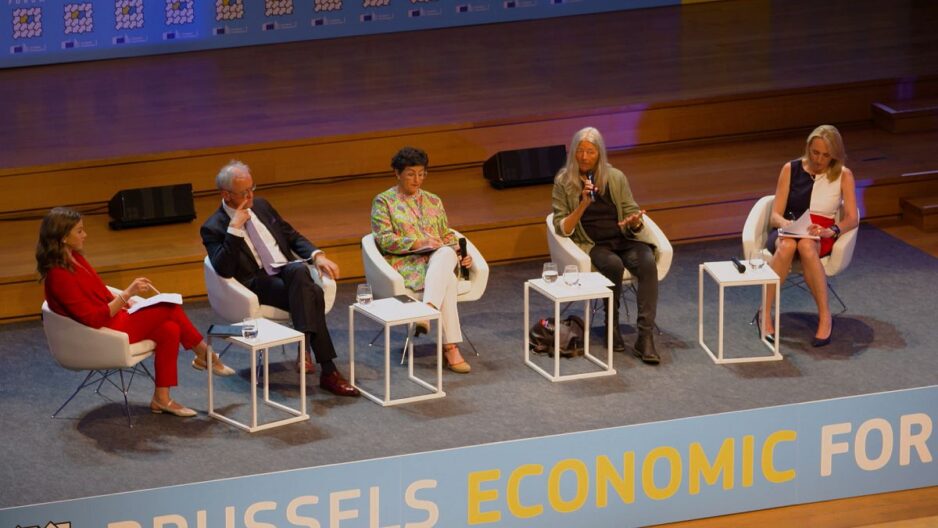
Brussels Economic Forum 2022: War, epidemic and climate at the top of the agenda

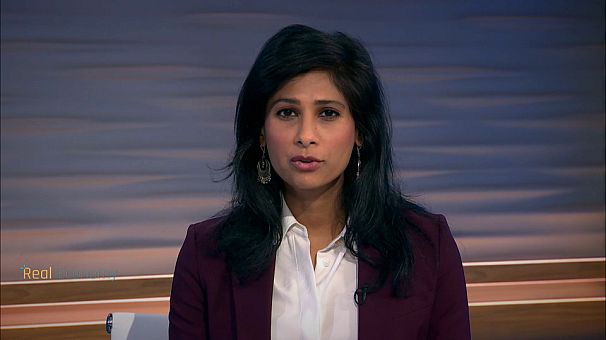
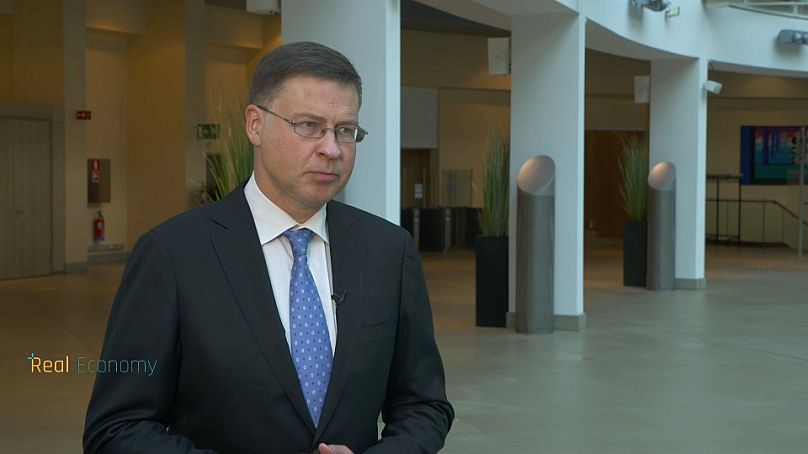
In this week's episode, Real Economy talks to IMF’'s Deputy Director General Gita Gopinath and EU’'s Trade Commissioner Valdis Dombrovskis about the economic consequences of ’'s war in Ukraine.

The team is also looking forward to the Brussels Economic Forum ’, AB’'s most important economic event, which focuses on some of the major challenges facing young people and future generations.

War brings economic uncertainty

Russia’'s war is above all a tragedy for the Ukrainian people. The immediate reaction of the European ’ was to show solidarity and to help refugees. Now, as food and energy prices rise rapidly and Europe urgently moves to end its dependence on Russian energy, what does this mean for the EU economy? By the end of this month, the Brussels Economic Forum will be ’'s biggest question.

Naomi Lloyd spoke to Gita Gopinath, number two of the International Monetary Fund ’ in Washington, ’, to give this all a global perspective.

The war in Ukraine’ is expected to significantly affect almost all of Europe’.

Naomi Lloyd, euronews:

How far-reaching will the economic impact of the war on Europe be and what will it mean for our daily lives?“

Gita Gopinath, IMF Executive Vice President:

“UkraineThe war in ’ will have a significant impact on almost all of Europe. By lowering our growth forecasts for major European economies by about one percent, we've reduced – for this year to what we currently predict is – to three percent. At the same time, we expect inflation to be significantly higher. So, of course, apart from Ukraine and the refugee crisis we see there, the most direct impact we see on people's lives is an increase in commodity prices, a significant increase in energy costs. And this affects the purchasing power of the People, and the impact of the war and sanctions is not fully revealed at this time.”

Naomi Lloyd, euronews:

“In view of all this, what steps does AB’ need to take to ensure a strong economic recovery, especially for young people?”

Gita Gopinath, IMF Executive Vice President:

“So the pandemic was particularly difficult for young people in the first place, and now there is high uncertainty that comes with war and war, creating an impact of trust. This affects the way businesses hire. And you can see that this also tends to affect young employees who are just joining the workforce. So in terms of what needs to be done, for example, we are currently seeing a debate to provide targeted support in terms of cash transfer to households hit hard by this increase in energy prices. Investing is also important. On the one hand, we need to pay attention to energy security while on the other hand, we need a green transition to happen. A climate investment fund would also be very useful.”

Gita Gopinath, First Deputy Managing Director, International Monetary Fund.

the Brussels Economic Forum

Gita Gopinath will be one of the many keynote speakers at the Brussels Economic Forum in ’ on 17 May. Here senior decision-makers, academics, civil society and business leaders discuss Europe’'s biggest economic challenges.

The most important economic event of AB’ has been going on for more than 20 years and 2022 will be the European Year of Youth.

What kind of future awaits the next generation right now? To answer this question, Real Economy spoke to some young economists and politicians who will be present at this year's Brussels Economic Forum’.

Amidst the climate crisis, robotic automation and threats to democracy, the world is changing rapidly.

Guillaume Desjardins
Euronews

Danish MP Kira Marie Peter-Hansen, who was elected three years ago, spoke of her growing concern about what awaits us in the next few years.

“I'm afraid we won't achieve our climate goals. I'm afraid we're going to see a bloc in Eastern Europe, ’, going backwards in democracy and human rights. Then we will face difficulties in our democracy and we will be in a new Cold War ’, so to speak. But I'm also very hopeful, and I think we can manage all these crises. And when we look at the younger generation, it really gives me hope. - ”

Each generation has its share of challenges, but the challenges facing the Z and Alpha generations seem enormous.

2008After the financial and economic crises caused by ’, the COVID-19 pandemic is now coming. To this mix is added the ongoing climate crisis and the war in Ukraine’.

The digital revolution

In addition, the digital and technological revolution is preparing to shake up the world as we know it. Professor Roxana Mihet of the University of Lausanne, ’, says governments face a tough balancing act when it comes to this transformation.

The future we have tomorrow will depend on the policies we implement today to offset the benefits and cost of digital transformation. And I think governments around the world need to be careful about how and when they regulate these technologies, because very little regulation will harm individuals. But too much regulation can hurt them, too, and it can hurt economic growth.”

For this generation, born with a smartphone in their hands, it will be vital to move forward with both green and digital transition. But how can we be sure that these great destructive tendencies do not increase social inequality?

Diego Känzig, a PhD candidate in Economics at London Business School, says he believes that everyone can do their part by changing their behavior, but governments should set the agenda.

I think it really depends on politicians to create a framework that basically allows us to reduce carbon emissions and encourage the behavioral changes we need to face this climate problem. And the European Union is doing a lot on this front.”

Real Economy meets with Valdis Dombrovskis, Vice-President of the European Commission and Commissioner for Trade

We need to move away from our dependence on …'s fossil fuels.

Real Economy met with Valdis Dombrovskis, Executive Vice President and Trade Commissioner of the European Commission ’, to find out more about what kind of economy we are leaving to the next generation and what needs to be done to make sure that this economy is in good shape.

Naomi Lloyd, euronews:

“EuropeWhat steps need to be taken to ensure a strong recovery of ’?”

Valdis Dombrovskis, Executive Vice President of the European Commission.

“Of course, first of all it is important to work to stop the war in Ukraine’. I think that's a goal we have to pursue on our own. But it is clear that the faster we stop the war, the better the economy will recover. It is important that we strengthen the resilience of the European economy and that member states make good use of the funding they receive from rescue and resilience opportunities. It's also clear that we need to move away from our dependence on ’'s fossil fuels.

Naomi Lloyd, euronews:

“EuropeHow worried are you that we won't reach ’'s climate targets?”

Valdis Dombrovskis, Executive Vice President of the European Commission:

“We are clear that we need to move forward in line with our climate goals: 55% reduction by 2030’ and climate neutrality by 2050’. I can say that the fact that we are accelerating right now, that we are moving away from Russian fossil fuels does not contradict this; Because that's exactly what the Green Deal ’ is for.”

EuropeAggravating ’'s fuel poverty crisis

Millions of Europeans have to choose between eating and warming up in ​​ this winter, while Real Economy Bulgaria is increasingly seeing how EU funding is diverting their savings to other vital needs by providing warm food support to families.

The food or warm-up dilemma

More than 35 million Europeans are unable to keep their homes warm this winter. This is equivalent to Greece, Portugal, Hungary and Ireland, where the entire population in ’ decides between heating and putting food on the table.

Two main causes of fuel or energy poverty are living in buildings with low income and low energy efficiency.

In Europe, rising fuel prices and the ongoing pandemic in ’ in recent months have exacerbated the problem, making it more difficult for people to pay their bills.

The right to access basic services such as energy is included in the European Pillar of Social Rights, a guide to stronger social rights in the European Union.

The EU outlined measures it proposed countries should implement to keep fuel prices low, including emergency income support and tax cuts.

FranceIn ’, the number of people using food banks, such as Banques Alimentaires, partly funded by the European Fund for the Poorest, FEAD, has increased since the beginning of the pandemic. %Increased by more than 30’.

A similar picture is emerging across Europe at a time when people are struggling to pay food and rising energy bills.

BulgariaIn ’, more than a quarter of the population cannot afford to heat their homes; This is the highest level in Europe’, followed by Lithuania and Cyprus.

“, these are lentils and potatoes. I can't complain. I'll survive. - ”

In Bulgaria, temperatures regularly drop below zero during the winter months in ’. For the most vulnerable, especially those who can't afford to heat up, finding money to heat someone's home can be a major concern.

Insufficiently insulated buildings, low incomes and rising energy prices are the main causes of energy poverty.

Kocherinovo is a small mountain village in the west of the country. Nikola, 71, lives there alone. receives a small pension of around 150 euros per month; That's about half the minimum wage. Nikola receives a government-paid energy allowance, with which he can buy wood for his stove.

Nikola receives food every day thanks to the ” program, which is a hot lunch for “ruh.

“I bought 520 leva for the firewood in October, this is for the whole winter. Five cubic meters for 500 leva. I bought eight and paid for the rest out of my own pocket. One cubic meter was 75 leva, now 90 lev, 15 lev more.”

Rising energy prices have had a significant impact on Nikola’'s budget. Even if he gets medical help and receives a Covid bonus for retirees, he has a hard time paying his bills, medicines, and food.

European FEAD fund

“A hot lunch for the soulThanks to the program called ”, Nikola eats hot food every day; which means he won't have to make an impossible choice between choosing to eat or warming up at home. The initiative is funded by FEAD, the European ’'s Poorest Relief Fund.

In 2020, more than 15 million Europeans such as Nikola benefited from ​​ food aid thanks to the European FEAD fund.

Sixty-two-year-old Evelina also lives in the same village and has a hot lunch for “ruh, a hot meal from ” every day.

Although he is disabled, he takes care of his parents alone. Their pensions are not enough to cover the family's expenses, so they benefit from various government benefits that allow them to make a living.

Evelina was able to save some money by buying a more energy-efficient stove.

“I'm getting help with food and warm-ups, and there's also an assistant who's coming to help me. Much better, at least I don't have to cook anymore. - ”

Evelina was able to save some money by buying a more energy-efficient stove. It burns pellets instead of wood.

The energy price is a significant part of the cost of living in ’, Bulgaria, especially for the poorest households. In 2018 ’ represented about 16% of expenditures, while in Sweden ’ average energy costs were around 4%.

Working with and completing national measures to help the most vulnerable and energy-poor is a strategy of FEAD’. The hot food and bread offered relaxes family budgets, allowing people to channel their savings into other vital needs.

Andriana Sukova, Deputy Director-General for Employment, Social Affairs and Accession at the European Commission, says such unified support is vital.

The food and basic material assistance provided through the “FEAD program, but also accompanied by national policies and national measures, has proven crucial for poor people to reduce the burden of personal income, keep their homes warm or buy the medicines the elderly need, maintain a balanced and reasonable life.

In the coming period, FEAD’'s work will continue with the support of the European Social Fund Plus’ and its budget will almost double.

Thomas Pellerin-Carlin is Director of the Jacques Delors Energy Center ’.

The focal point is: Europe’'s energy crisis

To learn more about the current energy crisis, Real Economy met with Thomas Pellerin-Carlin, Director of the Jacques Delors Energy Center.

According to Euronews: How can we be in a situation where millions of people in “ can't afford to heat their homes?’

Thomas Pellerin-Carlin: “This is the result of the choices we have made in the past to build an inefficient system based on fossil fuel use.

For this reason, we are in a situation where tens of millions of Europeans cannot heat their homes as they should.

And when we face the fossil fuel crisis and the shock from fossil fuel prices, it only gets worse.

According to Euronews: “Many European countries are taking relief measures. How much difference do they make?”

Thomas Pellerin-Carlin: “We know that the countries that do the best are in fact the countries where policies are implemented that explicitly encourage the transition to renewable energy and the transition to efficiency.

Energy poverty in Europe is at its worst south of ’, and that's a bit counterintuitive. The colder the country, the worse you might think energy poverty is, but in reality, the opposite is the case.

Because energy poverty is not the result of geography or nature, it is the result of political choices.

If Sweden is doing well now, it is not because of the current Swedish government, but because Sweden’ has been investing for 30 years in the renovation of homes and the development of renewable heating systems.”

According to Euronews: “What do you think should be done at the European level?”

Thomas Pellerin-Carlin: “There are three things for me: In our view at the Jacques Delors Institute ’, the European Green Deal, part of the ’, should be to ensure that every family can properly heat their home in the winter. First of all, it should be a political goal.

How do we apply this? The first is through regulation. This means that we require poorly insulated buildings to be refurbished when rented or sold.

The third is to provide funds to support such renovations, especially for the poorest countries, such as Bulgaria.

For this, the European Commission has received a nice proposal from ’ to create a social climate fund, and this will be an important step in the right direction.”

Brussels Economic Forum 2021: What will the European economy look like after the pandemic?

The Brussels Economic Forum (BEF) is the most important economic event of the EU’, which is held annually at the European Commission’.

BEF is where senior decision-makers, academics, civil society and business leaders meet to discuss the most pressing economic problems of the European Union. The event, normally attended by over a thousand people, was broadcast live from the studio at the European Commission ’ this year.

The 2021 edition comes as the latest economic forecasts show that AB’'s recovery continues and European economies are expected to return to pre-pandemic levels by the end of 2022.

The main topic of discussion was how Europe’ would build its new economy as it emerged from the pandemic.

Small business owners, in particular, are concerned about this situation, and many are concerned about what to do when government support ends.

We interviewed some of these types of business owners to discuss the challenges they face, and talked to some of the names on BEF’ to find out what solutions they have.

Difficulties finding staff

Greg Yurkovich runs two pizza restaurants in Ljubljana’, the capital of Slovenia. He was getting government subsidies to keep his staff on the job. He says that the current problem for him is the shortage of employees all over the “otelcilik sector.

At the same time, “ worries about how to motivate people to take action again and maintain the motivation to grow economies.

European Commissioner for Economic Affairs Paolo Gentiloni confirmed ’ that small businesses have been severely affected by the crisis. But he says there are two important tools for small and medium-sized businesses to combat this. One is the European Investment Bank program, and the other is the “ program, which we call Invest EU.

European Commissioner for Economic Affairs Paolo Gentiloni

The same rules for everyone

Dovile Ambrazeviciute’nin VilniusThere are two flower shops in ’. Like Greg, he was getting government help to make things work. He tells us that his biggest concern is that his company, “, has huge debts and the economy is quite slow at the moment, and he will not survive for ”. The European Union wants ’ to use similar rules for all businesses in all countries and wherever they are located.

According to Paolo Gentiloni’, “kriz was not a stabilizer”. The Commission, “, knows that differences between different incomes in different countries have increased. But the Next Generation AB expects ’ to solve this problem and create “, a more inclusive and less unjust society.

Climate change and small businesses

After Laura Cardenas Corrales lost her job, she decided to move her graphic design work to the internet. He's fine, but he's worried about the environment. He wants to know if AB’ will give incentives to small businesses or help them make their systems more environmentally friendly.

European Commission Vice-President Valdis Dombrovskis says funding for research and innovation will be provided. He also adds that the carbon limit regulation mechanism will ensure that imports from countries that are less ambitious about “emission reduction are subject to this mechanism and do not affect the equal playing field.

Valdis Dombrovskis, Executive Vice President of the European Commission

I look closer to home

Bengt Westerholm, Finland’ is the CEO’ of Beweship’in, one of 's largest privately owned shipping companies. In December, the company left most of its cargo stranded in China’.

Bengt’'s concerns are slightly different from those of small business owners. He explains that most air transport is still closed even now. Also Far East’ to EuropeSome sea freight prices from ’ to are actually five times more expensive. “ tells us that many Finnish companies are now looking for opportunities to actually own their suppliers and source resources closer to Avrupa’ or Avrupa’, because now we all see the risk.

WTO Director-General Ngozi Okonjo-Iweala also spoke about BEF’te Europe’'s role in international trade. “ tells us that when the ” outbreak began, there were disruptions in international trade.

But he also adds: “What we see, for example, is a diversification towards other countries in Asia’, rather than a big move to bring things back home. He doesn't expect a huge change in sourcing and supply.

Economic inequalities around the world

Europe’'s economic forecast looks positive, but other emerging and developing economies are in a more difficult position.

Ngozi Okonjo-Iweala, Director-General of the World Trade Organization

According to Okonjo-Iweala’, “ is one of the main reasons we see that this difference is due to the inequality in access to vaccines. He explains that to fix this, we need to deliver vaccines to countries that don't have access to vaccines. “AB became one of the largest exporters of vaccines. However, there was an export restriction. EuropeI hope ’ will lift the restriction, ” adds.

Valdis Dombrovskis sees it differently. AB’ has an export control authorization and monitoring system. However, “ says there is no question of restricting vaccine exports in general terms. AB’ exports about 385 million vaccines to more than 100 ’ countries, which accounts for half of “AB’'s vaccine production.

The EU is the world's largest exporter of vaccines

Valdis Dombrovskis
Executive Vice President of the European Commission

The challenges ahead

Ngozi Okonjo-Iweala fears the emergence of inflationary pressures due to the size of the stimulus implemented by many developing countries. Dombrovskis agrees that this should be followed. The WTO Director-General also believes that the participation of women and unemployed in particular and the recovery of the Afrika’ are issues that AB’ should focus on.

Dombrovskis confirmed that women's participation in the workplace and women's long-standing priority within “AB is ”, and Africa is a priority region in ’'s new trade policy strategy.

COVID-19 has caused countless problems not only in the field of health, but throughout the world. Europe’'s expectations are starting to look more positive, but efforts still need to be made to build a new economy as it emerges from the pandemic.

EU helps Moldova’ recover from COVID-19 crisis, but cash comes with some conditions

The EU is offering emergency loans of €3 billion to ten neighbouring countries as part of its global response to the coronavirus pandemic.

Loans known as macro-financial assistance (MFA) are offered at very favorable conditions and low interest rates. The aim of the ’ is to help countries that are geographically, economically and politically close to the EU’ to limit the economic impact of the crisis.

Why is the EU lending money to its neighbours?

Oliver Varhelyi, EU Commissioner for Neighbourhood and Enlargement at AB’, says the European ’ will never be a safe and prosperous place until the neighborhood is also safe and prosperous. The safe meaning of getting rid of the “COVID crisis and the prosperous meaning of getting rid of the economic repercussions created by the COVID crisis, ” underlines.

Varhelyi euronews’e said it was in Europe's interest to secure the interests of its neighbors. He explains that “ means that ’ will have predictable business environment investment opportunities ” for companies and ’ will have more shopping “ with these countries. All this, he says, will contribute to the overall stability and security of the region.

Moldova is one of the countries that will benefit from –

The average monthly income in Moldova’ is 350 Euro’, and a quarter of the workforce has migrated to other countries to work. The EU has provided macro-financial assistance to Chisinau ’e twice before since 2010’.

Moldova’ya was awarded €100 million as MFA assistance to help fight the pandemic. November 2020In ’ received the first installment amounting to 50 million Euros. This much-needed financial support, especially from Moldova, will help ’'s agriculture-based economy.

Ana Pancrat

MoldovaAgrarian crisis of ’

Farmers here have suffered not only from the crisis, but also from the drought that began in 2020’. Agriculture in the country from January to September 2020, according to BalkanInsight’ %It decreased by 25.3%, which was a loss of about 1 billion Euro’.

Ana Pancrat of ’, Union of Dairy Farmers of Moldova, says that due to the pandemic, farmers cannot get the nutrients they need from abroad. Due to the fact that the shops were closed, they could not get all the supplies they needed for their farm. Since farmers couldn't start over, “people decided it was necessary to slaughter their cows for their reliability, ” adds.

Daniela Sevciuc

Charities are taking action to help some rural areas of Moldova’, but this is not an easy task.

According to Moldovan Red Cross National Coordinator Daniela Sevciuc, “'s list of people in absolute poverty has grown, so as the list has grown, it has become difficult for the state to support them all, ” says.

Despite being one of the poorest countries in Europe, Moldova had a growth rate of 3.6 percent before the pandemic, while unemployment remained stable at 5.1 percent. This government was about to launch a public infrastructure construction program, but it has now been suspended.

The country's newly elected president Maia Sandu told us that the “economy desperately needs this help. Moldovan businesses were not supported at all last year. There is no money in the current budget to support the economy, says ”. He explains that this will lead to job loss, lost incomes and increased poverty.

President of Moldova

Meet MFA requirements

To receive the money, countries need to enroll in a funding program with the International Monetary Fund (IMF), meet conditions for respect for human rights, implement democratic, economic and governance reforms, and press against corruption.

Moldova’ must meet these requirements in order to benefit from the second MFA installment of €50 million.

The conditions for the Moldovan president are welcomed. euronews’e “ said they want to know that the people have met their demands for good governance, that the money provided by the ” and “AB taxpayers to the Moldovans has reached the Moldovans, that it has helped the Moldovans, and that it has not been misused by some corrupt people, including parliament or other government agencies” said.

Economist Dumitru Pîntea on monitoring MFA reforms

Dumitru Pîntea, an economist at Expert Grup’ta, one of the organizations responsible for monitoring MFA conditions, says he is pessimistic that MFA conditions will be met over time. “Moldova’ does not currently have a full-fledged government capable of implementing reforms, and at the same time the government does not have parliamentary support. The majority of lawmakers say ” opposes reforms and these contingencies.

EU Commissioner Várhelyi said Moldova is confident ’ can implement the conditions of economic reform to receive its second fiscal installment. He met President Sandu and believes in his devotion.

Oliver Varhelyi

It is not in AB“'s interest to pursue these goals, these goals that we have set for us together with ’Moldova; It is in the interest of the Moldovan people to carry out all these reforms because it will make their judicial system, their economic system, much more resilient and capable of recovering much more easily from the Covid crisis, says ”.

European Year of Skills: Europe’'s workforce is ready for the future

Europe is facing a labor crisis. In the wake of the COVID-19 pandemic, a significant number of open job positions across all sectors are further intensified by the digital and green transition.

Without a highly skilled workforce, European ​​ companies are feared to lag behind others in the coming years.

Where are the workers?

The COVID-19 pandemic has had a huge impact on society and the way we work. This disruption became even more pronounced after the outbreak of the war in Ukraine’, and the labor market has not yet recovered. 2022European Union in ’Available vacancy rate in ’ %It was 2.8; the Romanian ’ %0.8’ to Austria’ %changed up to 4.6’; Many member countries saw an increase compared to pre-pandemic levels.

SpainIn the transportation sector of vacancies in ’ 0, in public administration 1 and in professional and technical activities was found to have increased. The biggest shortcomings are concentrated in the manufacturing and construction sectors. Businesses across the continent are beginning to feel the burden of this famine. A quarter of the 25 million SMEs in ’ say hiring high-quality managers and staff is their biggest problem.

Skill Development and Training

NextGen Robotics is a Danish consortium developing next-generation robots and autonomous solutions. It brings together local companies such as Inrotech, which designs welding robots, with universities. Training and attracting talent is vital to their business.

The company is already taking advantage of EU financing. Philip Toft Halskov is a marketing executive who chooses to develop and learn 3D modeling skills to attract more customers.

“Sometimes it can be very difficult to show customers what the robot looks like and how it works. So our plan was to learn how to visualize this portal; For example, the following: show how it works and how the customer can use it in their own production.

Inrotech

Christian Ryrberg Schmidt took a new step in his career by studying technical data management system design.

“DenmarkThere are not many people with this course in ’. It is very important that we have this system and it is very important for me to have skills in this regard.

Inrotech relies on a positive working environment to attract and retain talent to keep up with the competition. NextGen Robotics’ needs to hire individuals from artisans to PhD holders to achieve its goal, explains Kasper, coordinator of the consortium:

“Our strategic forum identifies skilled workforce as the number one challenge”

NextGen Robotics invests in the development of training and skills with the support of European funds. They also aim to attract students and talents from abroad, such as Reza. The Iranian robotics engineer chose to do his thesis at Odense’de.

“ University has a department known in the world as S2 Robotics. Here we will establish a very large center and try to bring automation and robotics technologies to the marine, construction and energy sectors.” explains

Year of Skills

September 2022The ’de European Commission launched the Year of Skills initiative, a bold new strategy to boost skills development, training and innovation initiatives across member states.

Nicolas Schmit, European Commissioner for Business and Social Rights, “, says this is actually a strong message to overcome a major challenge. “We are talking about millions of people who need to change their qualifications or just improve them. Therefore, this is an important meeting about the economic future of Europe’ with the great transformations that are taking place, whether digital or green.”

While the EU is focused on equipping itself for the digital transition, Schmit hopes the strategy can help boost growth across all sectors.

“Of course, we talk a lot about digital skills, and there are hundreds of thousands of vacancies in this field. But there's also the construction industry, desperately looking for skilled individuals. There are many professions that need to be requalified as technologies evolve and change due to climate change. These are highly demanding professions, and we attach great importance to apprenticeship as the transition from education to employment is much smoother.”

The EU Commission relies on a targeted approach to address the growing problem of labor shortages. Without a workforce, Europe will have difficulty achieving its key climate and digital transformation goals in the coming decades. The Year of Skills is a strategy to encourage innovation, encourage education, and empower people to develop skills.

Brussels Economic Forum 2023: Where is Europe and where is it going?

With the escalation of the violence of war in ’, the tightening of control of the effects of climate change, scarcity of resources and global competition to achieve them, Europe faces numerous challenges.

However, the European Commission, in its latest economic forecast of the inflation rate of AB’ in 2022 %9.2’den this year %6.4’e and next year %2.8’e predicts a steady slowdown.

GDP growth in AB’ is expected to accelerate again and reach 1.6’ per cent in 2024, after falling from 3.5’ per cent in 2022’ to 0.8’e this year.

Speaking to Euronews’e at the Brussels Economic Forum’ (BEF), the European Commission's most important annual economic event, EU’'s Commissioner for Economy, Euronews’e said that these figures create a cautious feeling of optimism.

Speaking to Euronews’e Paolo Gentiloni, “Status is better than expected. Looking back a few months ago, we predicted a much worse situation where we had some concerns about energy supply, even considering possible power outages.” And there are many concerns about the possibility of stagnation and bankruptcy.”

Paolo Gentiloni, Commissioner for the Economy, European Commission

The BEF coincided with the European Central Bank's decision to raise basic interest rates again in an effort to reduce inflation. Commissioner Gentiloni said he was not concerned about the potential impact this would have on growth.

We should start by collecting income from population groups that pay much less taxes than the rest of us. That means today, 2023’te, the very rich.

Gabriel Zucman
Professor of Economics, University of California, Berkeley

But a recent development could also worry employment at AB’ and even trigger new legislation: It's an artificial intelligence.

Gentiloni, “, we need a set of rules. And we, as the European Union, are the masters of the rules. So I'm pretty sure we'll have good rules about artificial intelligence too, ” added.

EuropeGreen and digital transition of ’

Digitalisation, combined with the dire consequences of the climate crisis, are two of the main drivers forcing the economic transition of the European Union. For member states, this means more investment in education and training.

Spain’'s Minister of Economy and Digital Transformation Nadia Calviño, “This is probably one of the most important challenges we face going forward: How are we going to make sure that we are leading these transitions, that is, the digital and green twin transformation, that we are leading them technologically, ” explained.

Spain's Minister of Economy and Digital Transformation Nadia Calviño

“And sectors that have proven to be the most dynamic in creating jobs are linked to new technologies, information technology, science, research and health… This shows that structural transformation in the Spanish economy continues.”

Calviño, “, added that we are investing approximately €4 billion in the Next Generation EU fund to support a very ambitious digital skills program to ensure that our schools, universities and also the elderly have access to the necessary skills.

Addressing social inequalities in Europe’: Taxation and public expenditure

In the European Union, the unemployment rate in ’ is only spite being 6, a fifth of the EU's population still faces the risk of poverty or social exclusion.

The cost-of-living crisis and rising inequalities fuel social unrest and distrust of politics.

Gabriel Zucman, professor of economics at the University of California at Berkeley’, told Euronews’e that the European Union should rethink public sources of income and start taxing the rich.

Almost all social groups in “ and in each Member State pay a lot of taxes. Because we have a social model based on a significant level of taxation. This is true for almost all social groups, with one big exception that is truly rich.”

“In the context of high public debt and rising interest rates, government revenues are needed today. We should start by collecting income from population groups that pay much less taxes than the rest of us. This means that today, in 2023’te is very rich.”

This is a call shared by European ​​ unions, who argue that new sources of public income are a way to boost social justice. Another way is public spending.

Liina Carr, Confederate Secretary of the European Trade Union Confederation, told “ that the rules need to be changed. We think maintaining this 3% “ level of rigid deficit is in fact in no way conducive to public spending and investments because it still limits what governments can do.’

Liina Carr, Confederal Secretary, European Trade Union Confederation

“There is also a debate that some investments in greening, such as investment in digitalization, investment in health, investment in education, should be excluded from the rules of debt and openness. Investments of the kind that really support the economy and keep economies strong.”

This discussion gained momentum on AB’, especially after the 2022 American Inflation Reduction Act’.

With a massive allocation of $369 billion (€334 billion) to promote clean technology in the U.S. ’, there is concern that Europe will be sidelined in the green transition in ’.

However, according to Jim Hagemann Snabe’, Chairman of the Board of Directors of Siemens AG, the American ’'s Inflation Reduction Act may be an opportunity for European ’'s industrial goals.

The “ Inflation Reduction Act is a catalyst for sustainable solutions for me. So it's good in that sense. Europe was the first to come up with this idea with the Green Deal, and now they are taking steps, ” explained.

I think the world is at a crossroads where we kind of have technologies, we know how to rebuild energy systems to be renewable, we know how to reinvent transportation systems, we know how to make buildings carbon neutral.

Jim Hagemann Snabe, Chairman of the Board, Siemens AG

“And this is a catalyst for companies to invest more, invest faster and create the scale we need to create and deliver a more sustainable future.”

Global race for resources

But Europe’'s green and digital transformation is based on critical raw materials such as lithium, cobalt and rare earth elements that AB’ produces very little of. China's rare earth supply %He's paying for his 86’.

According to European Commission Vice-President Valdis Dombrovskis’e, at a time of increasing geopolitical tensions, this reality is shaping European ’'s trade relations.

Dombrovskis, “Therefore, at AB’, we put forward the raw material strategy to increase domestic production and at the same time to provide external supplies.

“, the 2030 target for extraction and mining Getting ’ domestically within the EU. This is, uh, %It means that the 90’ still has to come from outside the EU.”

Valdis Dombrovskis, Vice-President, European Commission

That's why partnerships with other countries will be so important. We do this through the raw material sections of our trade agreements. We develop bilateral raw material partnerships with different countries.”

UkraineThe Russian occupation of ’ is a clear reminder of the importance of reducing dependence on energy sources.

But as the climate crisis intensifies, aligning this goal with sustainable management of scarce resources will continue to be a major challenge in the coming years.