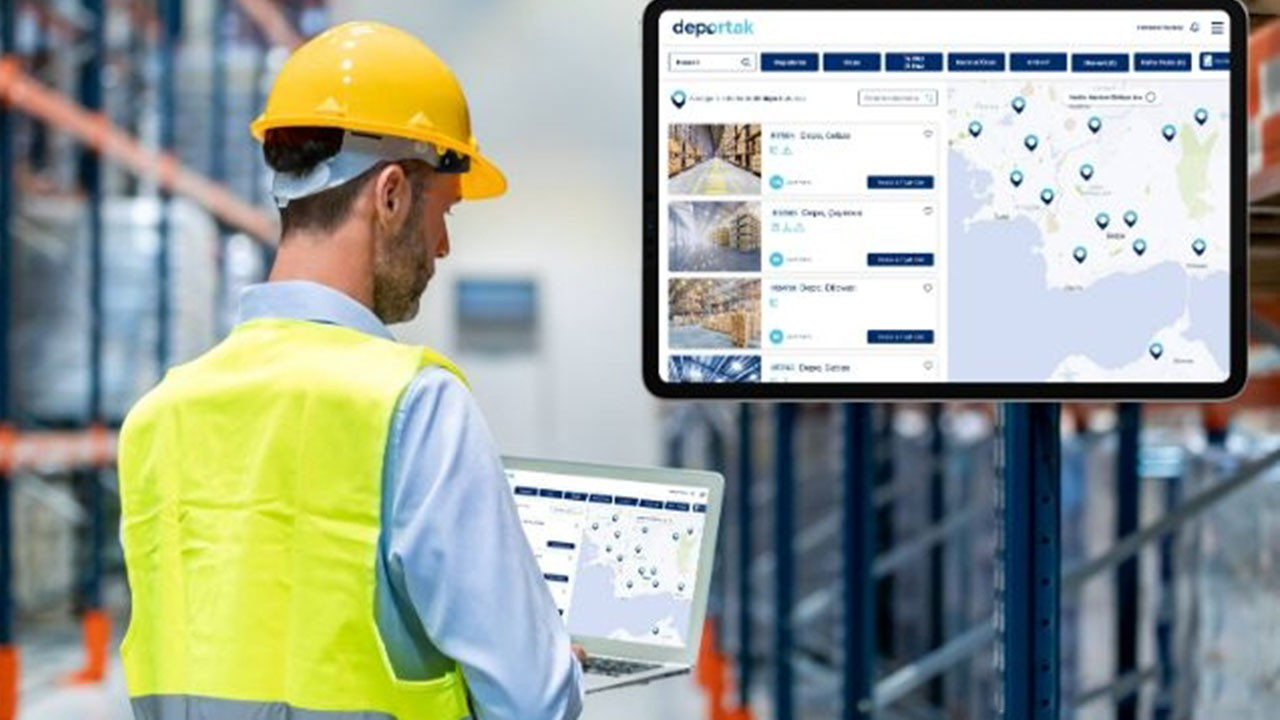
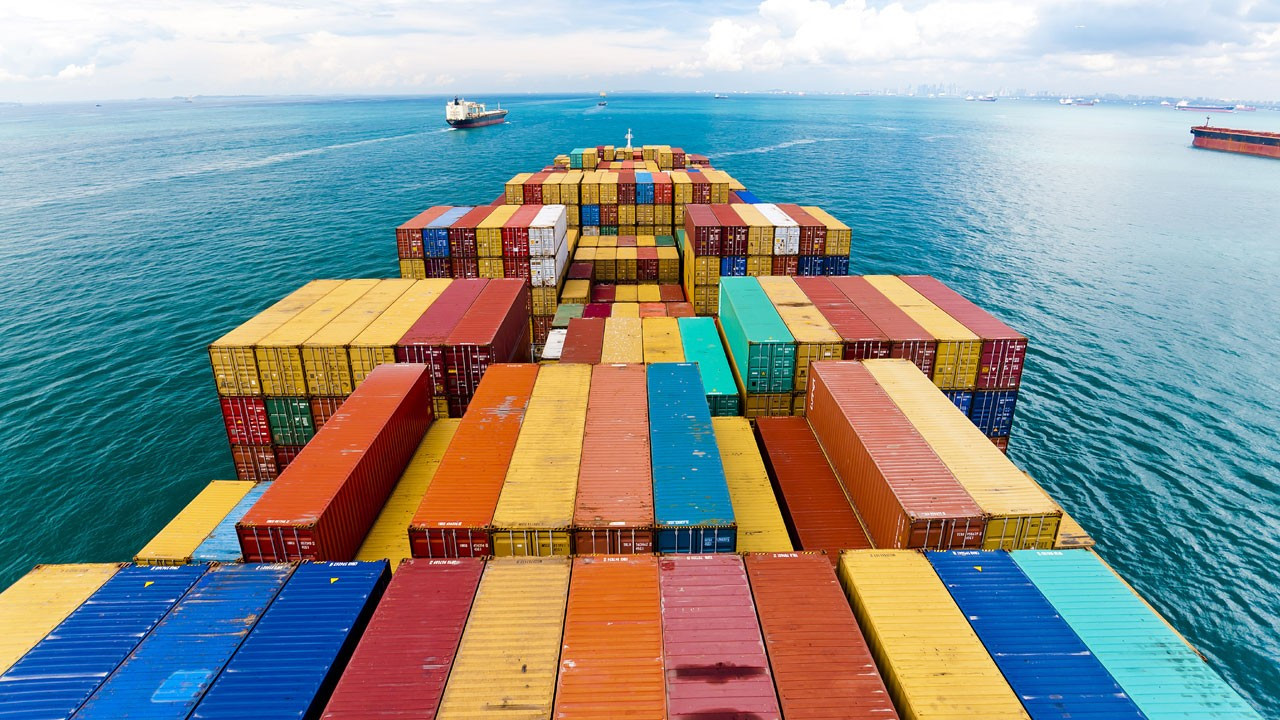
DepOrtak Co-Founder Oruç Kaya stated that if planned and institutional measures are not taken as soon as possible, Turkey expects a serious storage space bottleneck, ⁇ While the storage space registered in Turkey is not even 20 million square meters (m2) yet, it is announced that the need for storage space will increase by 2 times in the next 5 years and an additional 25 million square meters will be needed.
As a matter of fact, an additional 18 thousand m2 of storage space for every 1 billion euro worth of production investment, 3 times more storage space for e-commerce than normal retail merchandising, and approximately 116 thousand m2 of storage space may be required for every 1 billion dollars of e-commerce sales increase.
e-commerce is looking for solutions for delivery
According to e-Commerce Information Platform data, while there were 136 billion TL e-commerce volume, 1.3 billion orders and 68 thousand 457 businesses in 2019, these figures increased to 800 billion TL volume, 4.8 billion orders and 548 thousand 688 businesses in 2022.
According to the latest data from TÜİK ⁇ , the use of e-commerce is increasing exponentially. While it was 10.3 percent for individuals to order online in 2012, this rate was 49.5 percent as of August 2023.
They accept an additional fee for short-term delivery
DepOrtak Founding Partner Oruç Kaya, who explained that 90 percent of e-commerce is logistics and especially ⁇ fulfillment ⁇ transactions made in warehouses, ⁇ E-commerce sector is looking for solutions to be much closer to the consumer and to be able to deliver in a much shorter time. On a global scale, customers are increasingly willing to receive in a much shorter period of time, and they are willing to pay additional fees for this.
According to the ⁇ The 3 Biggest Last-Mile Challenges the Retail Industry is Facing Today ⁇ report prepared by The Fabric, 81 percent of customers stated that they would make more e-commerce purchases if the same day ⁇ delivery was made, and 67 percent of customers said that they could pay extra for the same day ⁇ delivery ⁇ .
Turkey is the right country for Europe's supply chain
Underlining that Turkey is the right country to be the supply chain country of Europe with its geographical proximity and production competence due to the need to find production and supply resources in nearby geographies due to the impact of the pandemic, Kaya pointed out that in this case, the need for storage space in Turkey will be too much.
Bilgehan Engin, Chairman of the Board of Directors of the International Transport and Logistics Service Providers Association (UTIKAD), stated that due to the crisis in the Red Sea, the passages through the Suez Canal have decreased and the freights that tend to move below a thousand dollars are now testing the levels of five thousand dollars.
UTIKAD President Bilgehan Engin, who evaluated the latest developments in Dünya Newspaper, stated that while following these rapid changes in the market, we think that sharp cost increases may shake the current balances in our foreign trade at many points from foreign currency input to empty equipment stock problems and within this framework, we advise all foreign trade stakeholders to be careful and cautious against the risk of encountering unexpected costs.
⁇ 8 thousand dollars are being talked about ⁇
Bilgehan Engin commented on the developments in freight prices and said the following; ⁇ Sea freight lines announced that they can receive extra freight differences as soon as the risk of war or emergency is reached, referring to the clauses in their bill of lading, and even reminded that they have such a right to apply them for cargoes that have been booked and planned to be loaded. This made the uptrend of freights even stronger, and it began to be discussed that $8,000 freights would be possible. These excessive cost increases will affect our foreign trade in the short and medium term. I would like to emphasize that we are facing a situation that needs to be prepared before both our exporter and importer. ⁇
Bilgehan Engin mentioned a recent development in his statement and gave the following information: As a recent up-to-date development, Maersk announced yesterday that multinational security company Operation Prosperity Guardian ⁇ (OPG) will intervene to secure the Suez Canal and the Red Sea and keep the trade route open, so that Maersk ⁇ can rely on this initiative to reassess the Suez Transition. This explanation can also bring the freights to a certain line, we will wait and see. However, this statement of the Maersk line has not received any statement of support from other multinational lines. The action taken by other companies in this critical process will also serve as an effective leverage in shaping the near future of the market.
⁇ If the crisis is prolonged, it will be reflected in the supply chain ⁇
Can Atalay, CEO of Arkas Line ⁇ , who has significant experience in Akdeniz ⁇ , evaluated the latest developments in Kızıldeniz and Süveyş ⁇ .
Arkas Line CEO Can Atalay stated that he believes that a solution will be found to the problem in the Red Sea and Suez Canal, which affects maritime transportation, and I think that it will not be too late to find a solution to the problem due to the strategic importance of the Red Sea and Suez Canal. The U.S. launched a task force in the region last week. If the problem prolongs, it is inevitable to experience problems similar to the pandemic period in the supply chain.
Pointing out that after the attacks on commercial ships off Yemen, some of the global container lines did not use the Suez Canal and turned to the Cape of Good Hope, the southern tip of Africa, Arkas Line CEO Atalay made the following evaluations:
The fact that the flights from the Far East to the Mediterranean and Europe travelled around the Cape of Good Hope and reached their destination ports significantly extended their cruising time compared to the Suez crossing, which was their original route. I would like to give an example of how the Turkish ports will be affected. There is a difference of 19 days between the use of the Suez canal by a ship arriving at a constant speed of 16 knots from the Far East to Mersin ⁇ and the circumnavigation of the Cape of Good Hope. More fuel will be used due to the extended voyage time, more ships will be used to continue the weekly service. This route change will also have cost-increasing effects on equipment planning. As a result, the resulting additional costs will be reflected in the freights. ⁇
As the transportation sector in Turkey transforms into the logistics sector and takes a more active role in international trade, business processes become more complex. In addition to the innovations brought by intermodal transportation, which includes sea, road and railway, digitalization and technological developments also expand the scope of legal contracts in the logistics sector and require new definitions.
Logistics becomes more complex, the need for strong contracts increases
Complex processes lead to an increase in legal disputes in both internal and external logistics activities. Another area of legal problem focuses on contracts between companies and heavy vehicle drivers. Increases in compensation-generating transactions also increase the demand for well-defined legal contracts in the logistics and transportation sector. While disruptions occur in business processes due to poorly prepared contracts, grievous consequences arise for all parties. In addition to transported loads, more complex insurance models are also on the agenda in vehicle and driver insurance.
In this respect, the effort to minimize possible legal disputes between the insurance sector and the logistics sector in contracts and policies is also gaining importance. Based on all these needs, the International Transporters Association (UND) has prepared a comprehensive study including case studies and standard contract examples to guide both the transportation sector and its members.
It's been a 10-year book.
With this important study, which was signed on the 54th anniversary of the establishment of the International Transporters Association, ⁇ The Transporter's Bedside Book ⁇ was carried out to inform the sector companies in the face of legal situations and to provide resources to the sector stakeholders on controversial issues, especially contracts.
The book, which is described as a product of 10 years of experience and prepared by lawyers who are experts in their fields, includes what the carriers will do in the legal situations they encounter; There are also examples of contracts, instructions and minutes. This study aims to prevent legal disputes that may arise at every stage of logistics and transportation activities to member organizations and to shed light on new contracts.
There are also examples of contracts
Stating that the member companies of the International Transporters Association carry out transportation to more than 70 countries, the UND President said the following about the book; We all face problems in the countries we go to.
Unfortunately, we lack information on what to do in legal matters. We have prepared this work called The Transporter's Bedside Book so that UND members have it at hand when they need it. In this book, our carriers will be able to find the contract samples they need within the framework of their daily operations and use them in their activities by adapting them to their business models.
In this book, which will provide maximum benefit to our sector and respond to current needs, UND President Aras stated that the Bedside Book of the Carrier was created by lawyers who are experts in their fields and stated that; Our industry needs CMR & TCC (Turkish Commercial Code), Customs and Smuggling Law, Labor Law, Insurance Responsibilities, KVKK and including but not limited to all contracts, instructions, minutes and practical information notes including their implementation, he said.
There are practical information and case studies in the book
With the Bedside Book of the Carrier, it is aimed to provide practical information, especially in the land transportation sector. Example contracts, documents, minutes, including the employer ⁇ employee relations process, the procurement in foreign trade, the transportation of goods including loading, unloading, the customs clearance process, the storage process and the insurance process are included in the book. It is aimed to easily understand why, how and by whom these documents will be issued. The book contains visuals and/or examples of contracts and all kinds of information and documents. Practical knowledge gained from applications rather than academic knowledge is handled in a simple way.
Since production costs in the global economy do not show great differences today, price competition is also moving away from being an element that strengthens the exporter's hand. It is a well-known fact that logistics services, strategies and cost elements have become more important in terms of competing in global trade. Logistics bases are seen as an important leverage in terms of being close to export markets and providing competitive advantage. As a matter of fact, logistics companies have accelerated their warehouse investments, especially in Europe. The Ministry of Transport and Infrastructure's project to open 6 logistics bases abroad also seems to have gained momentum.
4 ⁇ of the bases called Turkey, Foreign Logistics Distribution Networks (YDL) are planned to be established in Europe and 2 ⁇ in the USA.
In the geography where Turkey is located, transportation routes and trade routes are changing with the effects of political crises, wars and sanctions. In such a conjuncture, the main goal is to increase the competitiveness of exporters and logistics companies together.
The data we received from the sector representatives indicate that logistical capabilities in external transportation increased by 15 percent to 25 percent according to the regions, with the effect of changing routes. At a time when delivery times have increased by 25-30 days due to the Red Sea crisis, Turkey is trying to turn the logistics advantage in trade between the Far East and Europe in favor of trade corridors.
New Ro-Ro lines and port investments needed
On the other hand, the more effective use of multiple transport models in foreign trade transportation offers exporters the advantage of delivering products to the targeted points quickly as well as the cost.
The expansion of Ro-Ro and Ro-La combined transportation in multi-transport, called combined or intermo ⁇ dal, is among the most important expectations of the logistics sector. Increasing the number of Ro-Ro lines and the number of countries that can be reached with Ro-Ro will be a development in line with these expectations.
In this way, exporting organizations and logistics companies will benefit from Ro-Ro services at more competitive prices. In achieving this goal, the development of port infrastructure and superstructures suitable for Ro-Ro transportation, the speeding up of the railway connections of the ports by public hands are expressed as the priority expectations of the logistics and foreign trade sectors.
The International Transporters Association (UND), the most important professional organization in road transport, argues the following view by underlining that exports should be increased by an average of 10 percent every year in order to reach the export targets of 575 billion dollars of goods and services targeted for 2028; ⁇ Effective logistics services, which have increased our country by 9 places in the Global Logistics Performance Index in the last few years, need to be regulated and bureaucracy at border crossings should be reduced.
Activation of logistics infrastructures and maximum digitization of processes are also very important. In addition, by feeding the tax facilities that will increase the competitiveness of our logistics companies with investment support and incentives, we can ultimately pave the way for our exporters to reach the close and distant target markets faster and more affordable than their competitors. We still have the opportunity to achieve our targets for 2028. ⁇
Boltas Sales & Marketing & Customer Experience Director Güney Gedik: We choose the most convenient modes of transport
Increasing logistics costs create a challenging situation for many companies in the industry. At Boltas, we are able to adapt quickly to changing cost conditions and continue to offer competitive costs to our customers. With our strong structure in Europe, we provide our importers and exporters with the most up-to-date information on trade regulations, customs processes and local regulations. We can provide support within our own structure at every point from loading to unloading, from storage to domestic distribution. We develop cost-effective solutions by offering our customers flexible choices between various modes of transport.
Ares Logistics Strategy and Business Development Director Yiğit Şenbağ: Increasing costs create pressure
In addition to the current challenges of the logistics sector, it is a known fact that in recent years it has also faced problems such as driver procurement, equipment ⁇ fuel costs, and Schengen Visa, which are in a constant trend of increase. As Ares Logistics, we continue our investments including abroad in order to provide sustainable service to exporters. We produce solutions that provide cost advantages with different route preferences and combined transportation types. The extra costs caused by current conditions also reduce the profitability rates of logistics companies. Investments in extra vehicles, drivers, equipment and technological infrastructure have become plans to overcome the contraction in the market and increase competition.
Talay Logistics General Manager and Board Member Mehmet Yiğit Altıparmak: Long-term planning and collaborations are important
We provide as low cost as possible with the long-term plans and collaborations we have made. We make agreements such as block train, ship commitment in advance. So in a sense, we can say that we win when we buy. This allows us to offer our customers ambitious low costs. One of the most important factors for our producers to hold on to foreign markets is that such advantages can be offered to them. In order to be assertive in our competitive environment, we assume the risk with previous agreements. We try to minimize costs by combining factors such as the right agreements, strong connections and industry experience in the best way.
General Manager of Almark Logistics Onur Güvenler: It's not easy to optimize costs
Currently, I can say that logistics companies have difficulty in optimizing costs. At such times, it is seen that some companies stop their activities and some go on the way of merger with company marriages. Strategies such as consolidation and load optimization, alternative modes of transportation, technological investments, supply chain optimization, risk management and collaboration with global networks help logistics companies to offer their customers an advantage despite increasing costs. As Almark Logistics, we provide our exporters with advantages such as speed and efficiency, storage and inventory management, cost efficiency, security and traceability, technological infrastructure and innovation, 24/7 support.
Geographical Location and Transportation Potential of Turkey
Turkey is a natural bridge between Europe, Central Asia and the Middle East and has great potential in terms of transportation. The fact that Turkey is located on the passageways of three continents makes it the focal point of a transportation network extending to the Atlantic Ocean with the Strait of Gibraltar, the Arabian Peninsula and the Indian Ocean with the Suez Canal, and Eurasia and the Far East with the Black Sea-Mediterranean connections of the Turkish Straits. This situation further increases the importance of Turkey in terms of cabotage, international and transit transportation.
Importance of Sea Freight
Maritime goods transportation is the type of transportation that has the highest share in terms of both volume and value of the goods transported in Turkey, as in the whole world. According to the data of the Turkish Statistical Institute (TurkStat), exports in 2023 , while imports ,9 ⁇ u was carried out by sea. These data reveal the critical role of the seaway in our foreign trade.
Export and Import by Sea in 2023
Top 10 Countries in Our Exports by Sea
Sequence of No
Country of origin
2023 (USD only)
the Rate (%)
1
United States of America
10.215.794.394
13,7
2
History of Italy
10.117.183.427
13,6
3
History of England
9.833.552.574
13,2
4
History of Spain
8.624.789.204
11,6
5
Germany (disambigu
8.605.335.350
11,5
6
History of France
8.187.678.687
11,0
7
The Russian Fed.
6.026.534.332
8,1
8
the Netherlands
4.523.748.262
6,6
9
History of Belgium
3.243.908.589
6,0
10
History of Egypt
3.040.152.061
4,3
TOP 10 TOTAL
72.418.676.880
50,5
THE GENERAL TOTAL
143.358.000.000
100,0
Top 10 Countries in Our Imports by Sea
Sequence of No
Country of origin
2023 (USD only)
the Rate (%)
1
People of China
34.017.277.169
26,90
2
The Russian Fed.
29.351.294.398
23,21
3
Germany (disambigu
12.522.928.968
9,90
4
United States of America
8.367.031.726
6,62
5
History of Italy
8.278.587.713
6,55
6
History of Spain
8.233.947.471
6,51
7
Republic of South Korea
7.955.325.615
6,29
8
History of France
7.138.720.416
5,64
9
History of India
6.154.564.188
4,87
10
History of England
4.449.442.739
3,52
TOP 10 TOTAL
126.469.120.403
64,79
THE GENERAL TOTAL
195.172.000.000
100,0
Top 10 Products in Our Exports by Sea
The first and most important product in terms of dollar value in our exports by sea in 2023 is by far ⁇ Motorized land vehicles, tractors, bicycles, motorcycles and other land vehicles, their parts, parts, accessories ⁇ GTİP group. The share of the total of the top 10 products in our exports by sea is in 2023 %It was 53.49.
Sequence of No
Name of GTIP
The GTIP Code
2023 (USD only)
the Rate (%)
1
Motor vehicles, tractors, bicycles, motorcycles and other land vehicles, their components, parts, accessories
87
22.121.490.346
28,85
2
Mineral fuels, mineral oils and products derived from their distillation, bituminous substances, mineral waxes
27
13.963.077.676
18,21
3
Boilers, machinery, mechanical devices and instruments, nuclear reactors, their components and parts
84
9.651.435.525
12,59
4
Iron and steel
72
7.485.530.332
9,76
5
Electrical machines and devices, audio recording-exporting, television image-audio recording-exporting devices, components-parts-accessory
85
5.981.563.084
7,80
6
Iron or steel articles
73
4.852.362.943
6,33
7
Plastics and their products
39
4.594.914.360
5,99
8
Salt, sulfur, soils and stones, plasters, lime and cement
25
2.986.138.519
3,89
9
Organic-inorganic compounds of inorganic chemicals, precious metals, radioactive elements, metals and isotopes
28
2.548.527.706
3,32
10
Motor vehicles, tractors, bicycles, motorcycles and other land vehicles, their components, parts, accessories
87
2.502.098.284
3,26
TOP 10 TOTAL
76.687.138.775
53,49
THE GENERAL TOTAL
143.358.000.000
100,0
Importance of Ports in Turkey
The ports in our country are of great importance in terms of the effectiveness of our foreign trade. According to the 2023 data obtained from the Ministry of Transport and Infrastructure, the cargo amounts in tons handled in the first 10 ports of our country are shown in the tables below.
Sequence of No
the Port Authority
the Turkish Flag
with a foreign flag
the Foreign Trade
1
Kocaeli
5.207.437
63.673.890
68.881.327
2
Aliaga (disambiguation)
2.815.315
65.829.169
68.644.484
3
History of Iskenderun
2.165.726
50.972.189
53.137.915
4
Mersin
2.434.532
38.246.687
40.681.219
5
Tekirdağ
715.971
22.106.635
22.822.606
6
the Warehouse
3.308.007
16.812.690
20.120.697
7
Ceyhan
520.115
17.644.348
18.164.463
8
Samsun
641.626
11.041.354
11.682.980
9
Gemlik
1.328.546
10.159.604
11.488.150
10
Karabiga
695.717
10.537.295
11.233.012
THE TOTAL TOTAL
19.832.992
307.023.861
326.856.853
Tonne-based load quantities handled in Turkey's top 10 ports
Source of: Ministry of Transport and Infrastructure
DEVELOPMENTS IN SEAWIRE TRANSPORTATION
Problems in the Suez Canal
November 19th, 2023 The pro-Iranian Houthis, which have been operating in Yemen since then, started to target international ships passing through the Babu ⁇ l Mendeb Strait for allegedly carrying cargo to Israel in support of Hamas ⁇ a. On this development, the major international container transportation companies stopped the passage through the said strait and The Cape of Hope⁇ na is directed. The last bottleneck in the Suez Canal was in March 2021, when the Ever Given container ship blocked the passage for six days.
About the global trade of container ships %The fact that 12 ⁇ will pass through the Cape of Good Hope instead of the Suez Canal where it is transported has increased both costs and transit times. Transport between Asia and Europe according to the location of the ports of origin and destination of the Suez Canal 10 days to 14 days It is shortened between. For example, while the distance between Singapore and Rotterdam is approximately 8,400 nautical miles using the Suez Canal, the distance is approximately if the Cape of Good Hope is crossed on this route. %It increases by 40 to 11,700 nautical miles. This amounts to an additional transport time of approximately 10 days-14 days and an additional transport distance of 6,500 kilometers and an additional cost of approximately $1,000 to $2,000 per container depending on the delivery port. In case of deterioration of the container supply flow, the mentioned freight costs are expected to increase further.
Therefore, if security concerns cannot be addressed, the Cape of Good Hope route is expected to put pressure on the global supply chain in a short time. In addition, there is a possibility of a chain increase in product prices, especially fuel prices, due to the prolongation of their routes.
In terms of our country, The fact that the Suez Canal is not used by commercial ships directly affects the transportation corridors surrounding Turkey. This negative situation causes a decrease in the container stock and the amount of empty equipment in the ports in the Eastern Mediterranean and the ports in the Mediterranean of our country, and an increase in export and import freight prices. About 19,000 ships pass through the Suez Canal each year. Currently, merchant ships that cannot use the Suez Canal try to provide service by circulating the Cape of Good Hope, the southern tip of Africa, as an alternative route.
As a solution, the US administration announced the establishment of a multinational mission against the Houthis' increasing attacks on international ships in the Red Sea. Established to prevent attacks the Welfare Guard Operation In addition to the United States, the multinational mission includes the United Kingdom, Bahrain, Canada, Italy, France, the Netherlands, Norway, the Seychelles and Spain, and attempts have been made by the United States to participate in other countries in order to expand the mission. It is stated that the naval units of these countries will coordinate patrols in the Gulf of Aden and the Red Sea despite the attacks of the Houthis on commercial ships.
However, in the short term, the cargoes that reach the ports of our country by crossing the Suez canal from the Far East by container can be transported to our country by road after unloading their cargo at the ports in the Persian Gulf instead of this route. However, the ongoing internal disturbances in Iraq, Syria and Israel along this route, the lack of infrastructure in the ports mentioned and the insufficient capacity prevent the effective use of this route.
Restrictions in the Panama Canal
As is known, El Niño, one of the most important consequences of global warming and recent temperature increases, causes seawater temperatures to increase, especially in the central and eastern parts of the Pacific Ocean, and lasts nine to twelve months, occurring at intervals ranging from 2 to 7 years. El Niño is beginning to show its results on economic factors as well as climatic changes.
In this context, Panama ⁇ , which has received less rainfall than expected since the beginning of 2023, has started to experience a decrease in sea water level due to a record increase in air temperatures. The drop in water level is about 80 kilometers long, linking the Atlantic Ocean with the Pacific Ocean, and is a major contributor to world trade. %The Panama Canal, where 6 of them passed, caused a disruption in traffic. In the canal, where approximately 14,000 ships pass on an annual basis and 203 million tons of cargo pass annually, the Panama Canal Authority announced that the number of transits will be gradually reduced, and the number of transits in the canal has been reduced from an average of 36 ⁇ to 24 ⁇ per day for the first quarter of 2024 ⁇ . It has been announced that from March 2024, the limitation of 24 ship crossings per day will be increased to 27 ⁇ and daily crossings of 7 ⁇ si neomax and 20 ⁇ si panamax ships will be allowed until further notice.
In this respect, the routes of the ships had to be changed in order to prevent the long waiting times in Kanal ⁇ and in this context, the routes of the ships coming from Asya ⁇ started to be directed to the Suez Canal. Therefore, Suez crossings began to increase until the end of 2023, when the problems in the Red Sea began to show their effect. The aforementioned cuts in the Panama Canal, whose most important users are the United States and China, continue to affect the large and small economies that depend on the waterway in question.
Russia-Ukraine Crisis and Grain Corridor
The Russia-Ukraine Crisis, as in other fields, has deeply affected our country in the field of logistics, especially in the food sector, causing disruptions in the supply chain. As it is known, in order to solve the problems experienced in grain trade due to the crisis between Russia and Ukraine, ⁇ The Joint Command Coordination Center ⁇ was opened again in Istanbul ⁇ on July 27, 2022 by signing ⁇ The Safe Shipment of Grains and Foodstuffs from Ukrainian Ports Initiative ⁇ between Turkey, Russia, Ukraine and the United Nations (UN) on July 22, 2022. The duty of the center is to ensure the safe transportation of grain and similar food products to be exported from Ukraine from the ports of Odessa, Chernomorsk and Yuzhne by sea. The center consists of 5 ⁇ representatives from Russia, Ukraine and BM ⁇ , together with Turkey, including soldiers and civilians.
Periods of the Grain Corridor Agreement
the Period Period
History of
1. First Signature Date of the Semester
22.07.2022 ⁇ 19.11.2022
2. Period First Extension (120 days)
19.11.2022 ⁇ 18.03.2023
3. Period Second Extension (60 days)
19.03.2023 ⁇ 18.05.2023
4. Term Third Extension (60 days)
18.05.2023 ⁇ 17.07.2023
Periods of the Grain Corridor Agreement
The Grain Corridor Agreement, which established the Joint Coordination Center, has been mutually extended three times and in the last case, as of July 17, 2023, the Russian side announced that the agreement will not be extended again and announced that it has withdrawn. With the agreement, 1,004 ships and more than 32 million tons of grain were transported to the relevant countries through Turkey from August 1, 2022 to July 17, 2023, and the problems experienced in the food supply chain were resolved. These products are transported ⁇ ini corn, wheat and %5.8 of them are sunflower meal.
Following the end of the Grain Corridor Agreement, a temporary maritime corridor was established through the territorial waters of the countries of Turkey, Bulgaria and Romania within the framework of a new initiative initiated by Ukraine on August 16, 2023 (humanitarian corridor). As a result of the re-operation of Çornomorsk, Pivdennıy and Odesa Ports within the scope of the temporary corridor, approximately 27 million tons of products were exported within six months.
RO-RO Transportation in Turkey
Transport of Ro-Ro Roll-on/Roll-off is a type of maritime transport that allows wheeled vehicles to enter and exit ships on their own wheels. This system allows vehicles transporting on the road to make part of the journey by sea. This type of transport is particularly suitable for trucks, trucks and other wheeled vehicles.
Advantages of Ro-Ro Transportation
There are many reasons why Ro-Ro transportation is preferred:
The cost is: Ro-Ro transport is generally less costly than other types of transport.
Safety of: Carrying out transportation by sea ensures the safe transportation of vehicles and cargo.
Passport and Traffic Issues: It helps to get rid of transit document and traffic problems in different countries.
Duration of Drivers' Stay: Increases operational efficiency by shortening the duration of drivers' stay abroad.
Problems with visas: Minimizes drivers' visa-related problems.
Global and Regional Importance of Ro-Ro Transport
Ro-Ro transportation is used effectively and efficiently in intercountry, intercity, intercontinental seaway and inland waterway transportation in different geographies around the world. It plays an important role in the transportation of finished products, especially in the automotive sector. Close road maritime transport between European Union countries is supported legally and politically and is more preferred every year.
Turkey's Strategic Position in Ro-Ro Transportation
As a country surrounded by seas on three sides with more than 8,400 km of coastline, Turkey has an advantageous position in global transportation activities. Ro-Ro transportation, which is the most important and functional type of combined transportation, offers new exit routes and routes to international goods transportation by road with the advantage of Turkey's geographical location. It draws attention to the fact that the Mediterranean Sea is the most transported sea in the near road sea transportation carried out between the countries of the European Union. Especially the Italy-Turkey Ro-Ro line is one of the busiest lines.
Ro-Ro Ports in Turkey
Name of port
the City Hall
Port of Cesme
History of Izmir
Port of Mersin
Mersin
Port of Samsun
Samsun
Port of Iskenderun
Hatay
Port of Ambarlı
History of Istanbul
Port of Zonguldak
Zonguldak
Port of Haydarpaşa
History of Istanbul
Port of Taşucu
Mersin
Port of Trabzon
Trabzon
Port of Pendik
History of Istanbul
the Tekirdağ Port
Tekirdağ
Port of Tuzla
History of Istanbul
2023 Vehicle Statistics Carried on Regular Ro-Ro Lines Connected Abroad
The lines are
the Incoming Vehicle
The outgoing vehicle
Total transported vehicle
Tuzla (Pendik)-Trieste
132.393
107.659
240.052
Yalova-Sete
61.083
56.353
117.436
Çeşme-Trieste
34.327
35.037
69.364
Mersin-Trieste
27.873
28.797
56.670
Tuzla (Pendik)-Patras
3.268
2.731
5.999
Fountain of Chios
175
800
975
Tuzla (Pendik)-Bari
3.362
4.029
7.391
Category: Izmir-Sete (disambiguation)
1.824
3.458
5.282
Kocaeli-Zeebrugge
15
450
465
Gemlik and Antwerp
93
13
106
Kocaeli and Antwerp
362
6
368
Kocaeli-Bremerhaven
0
154
154
Kocaeli-Koper
2
115
117
Kocaeli ⁇ Valencia
475
1
476
Total European Ro-Ro Lines
265.252
239.603
504.855
Samsun-Tuapse
20.633
21.271
41.904
Samsun-Novorossiysk
15.990
21.047
37.037
Istanbul ⁇ Novorossiysk
73
978
1.051
Karasu-Tuapse
4.294
7.830
12.124
the Karasu - Novorossiysk
280
1.622
1.902
Istanbul ⁇ Tuapse
124
662
786
Total Black Sea Ro-Ro Lines
41.394
53.410
94.504
Mersin and Gazimağusa
20.482
21.662
42.144
Taşucu-Girne
13.675
15.311
28.986
Tashucu-Tripoli (Lebanon)
8.441
7.998
16.439
Mersin-Hayfa
2.465
2.654
5.119
Mersin-Girne
1.332
460
1.792
Taşucu and Gazimağusa
887
2
889
Iskenderun ⁇ Haifa
716
721
1.437
Total Mediterranean Ro-Ro Lines
47.998
48.808
96.806
Category: Iskenderun-Darus Salam (disambiguation)
0
114
114
Total Indian Ocean Ro-Ro Lines
0
114
114
Other Ro-Ro Lines
897
657
1.554
Total of
355.541
342.592
698.133
Source of: Ministry of Transport and Infrastructure
INFORMATION ABOUT KARASU-KÖSTENCE RO-RO LINE
Two important initiatives have been made in the field of Ro-Ro transportation between Turkey and Romania. First, on December 9, 2011, a Ro-Ro line between Pendik (Istanbul) and Constanta (Romania) was put into operation. However, this line ended in September 2012. The second attempt was made with the opening of the Karasu-Constan Ro-Ro line on February 3, 2021. Unfortunately, this line also ceased its operations on February 18, 2021. Economic factors such as Romania's high port fees, domestic customs, bridge and highway costs were instrumental in closing both lines soon after.
Operational challenges, such as the type of ship and the number of voyages, also played a role in closing these lines. In particular, problems such as the absence of Ro-Pax vessels, the absence of a customs allocated to Ro-Ro transports in the Port of Constanța, and prolonged official transactions have led to increased costs and prolonged voyage times. Applications such as X-Ray and physical control of all vehicles, and full detection of partial loads have also been effective in this process. In particular, the lack of laboratories for the analysis of products such as fresh vegetables and fruits has led to a decrease in customer demand. The deactivation of Ukrainian ports after the Russia-Ukraine war also increased the density of the Port of Constanta.
In line with the support requests of the sector, the Regulation on Supporting the Transfer of Road Freights to the Seaway published in the Official Gazette dated 9 August 2022 and numbered 31918 by the Ministry of Transport and Infrastructure has entered into force in order for the Karasu-Constance Ro-Ro line to be operational again and to gain continuity. Within the scope of this regulation, pilotage and towage fees will be supported for all ships without flag separation on the newly opened lines, and for Turkish flagged ships (Ro-Ro and Ro-Pax), additionally, for 10 miles of nautical miles per cargo unit, 2 dollars for Ro-Ro and 3 dollars for Ro-Pax. Under these conditions, a ship carrying 100 trucks, calculated for 200 nautical miles, would receive a support of $2,000. It is also stated that the Romanian government is working on granting some exemptions in order to reduce the costs of the line.
DP World, the operator of the South Constanța-Agigea Port Ro-Ro terminal, announced in its announcement that the terminal preparations for the resumption of Ro-Ro flights on the Karasu-Constanța line have been completed and operations have started on July 3, 2024. The launch of the first Ro-Pax vessel with a capacity of 120 trucks on the Karasu-Constance line in July enables reciprocal flights to be carried out three times a week. These developments are considered as important steps for the re-operation of the line and its continuity.
Turkey's Role in Logistics and Transportation Sector
Turkey plays a critical role in the global logistics network due to its geographical location at the intersection of Europe, Asia, Africa and the Middle East. Our country has the potential to become not only a transit point, but also a major logistics center with its advanced transportation infrastructure. Turkey's strategic location allows it to be within a 4-hour flight distance to 67 countries with a trade volume of 8.6 trillion dollars and inhabited by 1.4 billion people worldwide.
Turkey's logistics and transportation sector has become a growing market every year. In 2021, 24 billion dollars of 61 billion dollars of service exports were realized by logistics and transportation services. In 2022, this figure increased to 35.3 billion dollars, and the total exports %It was 39.6. This situation shows how important the contribution of the logistics sector to Turkey's economic growth is. As of 2023, Turkey's service exports are targeted to reach 100 billion dollars and 35 billion dollars of this is expected to be realized by logistics and transportation services.
Turkey exports logistics services in the world ranking with 35 billion dollars of service exports %It has 2.5 shares and ranks 11th. Among the targets of 2024, it is expected that 110 billion dollars of service exports and 40 billion dollars of this will come from the logistics and transportation sector. While this figure is aimed to reach 200 billion dollars in 2028, logistics and transportation service exports are planned to increase to 78 billion dollars.
The development of the logistics and transportation sector is also directly related to the support provided by the state. Until the end of 2023, approximately 18.5 million TL was provided within the scope of General Supports for this sector and 1 billion TL was provided through the Turquality Support Program. Turkey is determined to increase its transportation and logistics infrastructure investments in order to strengthen its position in global trade.
Combining logistics services on transportation corridors, increasing the scales and creating transfer centers for intermodal transportation are among the goals of our country. Establishing logistics centers abroad and supporting distribution networks that will strengthen supply chains are also important strategies. These investments are carried out in line with global trends such as sustainability, environmental awareness, and connectivity to large markets.
By increasing the support provided in the logistics sector and overcoming the obstacles experienced for the transporters, export products will reach their markets faster, more economically and safely. In this context, the logistics and transportation sector is becoming an important part of Turkey's economic growth story.
Our Foreign Trade According to Transportation Methods (USD)
Mode of Carriage
Exports (in USD)
Import (in USD)
2021
2022
2023
2021
2022
2023
the Highway
68.749
78.879
83.235
48.896
59.446
66.942
the Sea Freight
133.714
150.255
143.358
157.390
193.799
195.172
the Railroad Station
1.648
2.460
1.960
2.891
2.968
1.996
the Airline
18.735
20.686
25.511
26.057
38.581
53.840
The other(Transportation by mail, line, etc.)
2.366
1.892
1.710
36.189
68.917
43.821
THE TOTAL TOTAL
225.214
254.172
255.777
271.425
363.711
361.774
Source of: Ministry of Commerce, 19/02/2024. The value is: Millions of US Dollars
When our export data in terms of monetary value (USD) is evaluated in terms of transportation modes, in 2023, during the first period of export transportations %It is seen that the seaway is located with 56. This ratio once again demonstrates the importance and effectiveness of the seaway in international trade. Sea transportation ensures the economical and safe transportation of large volumes of cargo.
In the second row %There is a road mode with 32.5. Road transport plays an important role, especially in short-haul and regional trade. Road transport stands out with its flexibility and the advantage of being able to offer door-to-door services. In the third place %Air transport is available with 9.9. Although air transport is fast and reliable, it can be higher in cost than other modes.
The last row %It takes railway transportation with 0.7. Railway transportation is especially preferred for the transportation of large and heavy loads. However, the fact that the railway infrastructure is limited and disadvantaged compared to other modes in terms of flexibility keeps the utilization rate low.
In terms of monetary value (USD), it is seen that the seaway takes place in the first place in 2023 in our imports. Our exports of 361 billion dollars ,9 ⁇ u was transported by sea. This situation shows how critically the seaway plays a role in the import processes as well. In the second row %Road mode with 18.5, while in third place %There are 14.8 airlines, and the last %The railroad is at 0.55. These data clearly reveal the dominance of the seaway and the shares of other modes of transportation in import transportation.
Our Foreign Trade According to Transportation Methods (Quantity-Ton)
Mode of Carriage
Export (Quantity-Kg)
Import (Quantity-Kg)
2021
2022
2023
2021
2022
2023
the Highway
31.810
32.164
31.405
12.161
14.409
15.821
the Sea Freight
144.882
140.831
128.231
184.041
187.196
206.814
the Railroad Station
1.381
1.651
1.382
1.455
1.260
811
the Airline
913
1.234
1.513
117
121
130
The other(Transportation by mail, line, etc.)
240
174
174
863
1.095
893
THE TOTAL TOTAL
179.228
176.056
162.707
198.639
204.083
224.471
Source of: Ministry of Commerce, 19/02/2024. The value is: A thousand tons
Road transport is of great importance both at home and abroad as an indispensable element of modern trade. Thanks to its geopolitical location and developed road network, Turkey plays an important role in road transport. In this article, the place and importance of road transport in Turkey's foreign trade, current border crossings, transportation data and current developments in the sector will be discussed in detail.
Importance of Road Transport in Foreign Trade
Category: Road transport, is one of the most preferred modes of trading due to its flexibility and speed advantage. Fast and efficient transportation of goods in domestic transport allows businesses to optimize their supply chains. Especially in countries with a wide geographical area such as Turkey, it is a great advantage that the flow of goods can be provided uninterruptedly and quickly thanks to the road network.
Turkey's Road Network and Infrastructure
Turkey has a strong infrastructure in road transport. There is a widespread and developed road network throughout the country. Thanks to its strategic position as a bridge between Europe and Asia, Turkey is an important junction point on the east-west and north-south axes. This situation ensures that Turkey has a great potential in terms of transit trade.
In order for road transportation to be carried out effectively, the infrastructure needs to be constantly renewed and improved. In recent years, significant investments have been made and continue to be made in this field in Turkey. The construction of highways, divided roads and logistics centers are among the important elements that increase the effectiveness of road transport.
Turkey's Position in International Road Transport
Turkey plays an important role in international road transport, the country's border crossings and the effectiveness of these gates have a great impact. Turkey is strategically located between Europe, Asia and the Middle East and serves as an important transit country for the uninterrupted realization of trade between these regions.
The countries with land borders of Turkey and the border gates opened to these countries are as follows: Bulgaria (Kapıkule, Hamzabeyli and Dereköy), Georgia (Sarp, Türkgözü and Aktaş), Iraq (Habur and Üzümlü), Iran (Gürbulak, Kapıköy and Esendere), Nakhchivan (Dilucu), Syria (Karkamış, Cilvegözü, Öncüpınar, Nusaybin and Akçakale) and Greece (Pazarkule and İpsala). For political and security reasons, Armenia (Akyaka, Alican) and some Syrian highway border crossings (Yayladağ, Mürşitpınar, etc.) are not actually used.
Border Gates and Transport Data
The effectiveness of border crossings is a factor that directly affects the efficiency of road transport. Transportation activities carried out at various border crossings of Turkey constitute an important part of foreign trade. Below, Turkey's leading border crossings and current data on the transportation activities carried out through these gates are presented.
the Habur Border Gate: Habur, one of the busiest border crossings in Turkey, is one of the most important points of trade with Iraq. As of 2023, a total of 550 thousand vehicles have passed through Habur ⁇ . 530 thousand of these vehicles have Turkish plates and 20 thousand of them have foreign plates. Habur plays a critical role, especially in the transportation of oil and other energy resources.
Kapıkule border gate: Kapıkule Border Gate with Bulgaria is one of the most important crossing points in Turkey's trade with Europe. Export transportation made from Kapıkule ⁇ in 2023 is 450 thousand vehicles. 300 thousand of these vehicles have Turkish plates and 150 thousand of them have foreign plates. Kapıkule is used extensively in both freight transportation and passenger transportation.
Hamzabeyli border crossing: Hamzabeyli, another important border crossing with Bulgaria, plays an important role especially in exports to Europe. In 2023, 260,000 vehicles were exported from Hamzabeyli ⁇ . 120 thousand of these vehicles are Turkish and 140 thousand are foreign license plates. Hamzabeyli is used as an alternative crossing point to Kapıkule ⁇ and is preferred to reduce the intensity from time to time.
Advantages of Road Transport
Road transport has many advantages compared to other modes of transport. These advantages ensure that trade is carried out effectively and efficiently. The main advantages of road transport are:
The flexibility of: Road transport offers more flexibility compared to other modes of transport. The ability to move goods door-to-door eliminates the need to transfer, saving time and cost.
The speed of: Road transport stands out as a fast mode of transport, especially at short and medium distances. Road transportation is preferred in cases where goods need to be delivered in a short time.
Accessibility in Turkey: The road network offers access to almost everywhere. Especially in a wide geography such as Turkey, it is possible to reach even the most remote points thanks to the road network.
The cost of: Road transport is an economical mode of transport, especially for small volume and high-value loads. Low transfer and storage costs provide a cost advantage.
Reliability of the: Road transport offers regular and reliable transport services on certain routes. Trackability of transportation enables efficient management of logistics processes.
Disadvantages of Road Transport
As with any mode of transport, road transport has some disadvantages. These disadvantages stand out as factors that limit the effectiveness of transportation. The main disadvantages of road transport are:
Traffic and Road Conditions: Road transport is directly affected by traffic congestion and road conditions. This can lead to prolonged transport time and delays.
the Environmental Impact: Road transport has more environmental impact compared to other modes of transport. Carbon emissions and air pollution are among the negative environmental impacts of road transport.
Capacity of Load: Road transport is limited in the transportation of large volumes and heavy loads. For such cargoes, sea and rail transport may be more convenient.
Fuel and Cost Fluctuations: Road transport is directly affected by fluctuations in fuel prices. The increase in fuel costs also increases transport costs.
Current Developments and Future Perspectives
Road transport is constantly evolving with technological developments and innovations. Digitalization, automation and green logistics applications are creating significant changes in road transport. In this section, current developments in the sector and expectations for the future will be discussed.
Digitalization and Intelligent Logistics: Digitalization is leading to major changes in road transport. Managing transportation processes through digital platforms increases efficiency and traceability. Intelligent logistics solutions allow transportation companies to reduce their operational costs and increase customer satisfaction. For example, applications such as real-time tracking of loads, route optimization and driver performance monitoring are becoming commonplace.
Automation and Autonomous Vehicles: Automation technologies can bring revolutionary changes in road transport. Innovations such as autonomous trucks and drone transport will hold an important place in the transportation sector in the future. Autonomous vehicles can improve fuel efficiency and shorten delivery times while minimizing driver errors. These technologies can also significantly reduce logistics costs.
Green Logistics and Sustainable Transportation: Environmental sustainability is becoming increasingly important in road transport. Green logistics practices to reduce carbon emissions offer benefits both environmentally and economically. Applications such as the use of electric and hybrid vehicles, the integration of renewable energy sources and waste management are critical to achieving sustainable transportation goals.
The Future of Road Transport in Turkey
Although Turkey has a strong infrastructure in road transport, it needs improvements in some areas to be more competitive in the future. In this section, the opportunities and challenges that Turkey may face in the future in road transport will be discussed.
Infrastructure Investments and Modernization: The continuous modernization of Turkey's road infrastructure will increase the efficiency of the transportation sector. The expansion of highways, the construction of new roads and the maintenance and repair of existing roads will shorten transport times and increase safety. In addition, the modernization of logistics centers and warehouses will enable faster and more efficient transportation of loads.
International Cooperation and Trade Agreements: Turkey needs to expand its cooperation and trade agreements with other countries in order to increase its international trade. The creation of new trade corridors, increasing the effectiveness of existing border crossings and facilitating customs procedures will strengthen Turkey's role in international road transport.
Technological Innovations and Digital Transformation: The adoption of technological innovations will help Turkey gain a competitive advantage in road transport. Digital transformation can reduce costs and increase customer satisfaction by increasing operational efficiency. Integration of intelligent logistics solutions and data analytics will enable more efficient management of transportation processes.
Sustainability and Environmental Awareness: Environmental sustainability in road transport should be an important goal for Turkey. Strategies to reduce carbon footprint will offer both environmental and economic benefits. The promotion of electric and hybrid vehicles, the use of renewable energy sources and green logistics practices will be important steps in achieving these goals.
Summary of the Subject
Road transport plays a vital role in Turkey's foreign trade. Thanks to its advanced road network, strategic location and strong logistics infrastructure, Turkey has an important position in both domestic and international transportation. In the future, improvements in areas such as digitalization, automation and sustainability will increase Turkey's competitiveness in road transport.
Increasing the efficiency of road transport in foreign trade will contribute to Turkey's economic growth and strengthen its role in international trade. Therefore, steps to be taken in infrastructure investments, international collaborations, technological innovations and sustainability are critical to the future success of road transport.
What are the main reasons why Turkey has a strong infrastructure in road transport?
The main reasons why Turkey has a strong infrastructure in road transport; geopolitical location, advanced road network, high carrying capacity and continuous investments.
Which border gates play an important role in Turkey's international road transport and why are these gates important?
Border crossings that play an important role in Turkey's international road transport; Habur, Kapıkule, Hamzabeyli and Sarp Border Gates. These doors are of critical importance in Turkey's international trade. They are strategic crossing points on both the east-west and north-south axes, ensuring uninterrupted trade.
What are the advantages and disadvantages of road transport?
The advantages are; Flexibility, speed, accessibility, cost and reliability. The disadvantages are; traffic infrastructure, road conditions, environmental impacts, capacity and fuel costs.
What is the importance of digitalization and automation in road transport?
Digitalization and automation are of great importance in road transport and are leading to significant changes in the industry: Productivity growth, real-time tracking, route optimization, autonomy and sustainability are some of them.
Wet fruit will be exported from Mersin Port to Germany. Logistics Transportation Global A.Ş. and Mersin Gıda ve Tarım Ürünleri Üretim Satış Pazarlama A.Ş. signed a road transport contract. Here is the beginning of this story:
The first part: The Journey of the Burden Begins
Ali carefully loaded the wet fruits. The refrigerated unit inside the TIR ⁇ would keep the fruits fresh. The driver checked his passport and driver's license. The SRC-3 certificate and medical report were also complete. He was 21 years old and had a clean record.
The logistics business had a C2 authorization certificate and issued transit documents in accordance with the designated route. TIR Carnet and Transit Accompanying Certificate were ready for transits. The International Transporters Association (UND) was contacted and consulted on unknown issues.
The second part: Documents and Customs Procedures
The truck's on its way. Along the way, EUR1 Certificate and Certificate of Origin issued by the exporting company and commercial documents (commercial invoice, checklist, etc.) were meticulously protected. The plant health certificate, health certificate and standard control certificate were also complete.
At customs points, the transport process proceeded as planned. Within the scope of the Customs Union Agreement, the necessary documents were presented to be exempt from customs duties. The cargo was moving safely and quickly towards Germany.
The third part: Arrival in Germany
When the truck reached the borders of Germany, all the documents were checked again. The transport process has been successfully completed. Fresh fruits, fresh and delicious, reached the German market.
This story shows that an international export transaction by land was successful. Planning the transportation process, issuing documents and meeting the necessary requirements were the key to a successful export. ⁇ (translated)
On 14.01.2023, the Road Transport Regulation was updated in line with the demands of transport companies and the public.
Access of disabled citizens and their companions to dialysis centers is facilitated by easing the licensing requirements.
In order to eliminate the driver gap and contribute to the employment of young people, the age limit for bus drivers has been reduced from 26 ⁇ to 24 ⁇ .
It is aimed to increase citizen satisfaction by simplifying the procedures of the companies that carry out passenger transportation, to add additional flights quickly and to increase the number of companies that citizens can use.
U-ETDS Application and Logistics Services
The change is
Description of
U-ETDS Reporting Time Extended
The period has been extended for companies engaged in freight transportation to comply with the U-ETDS (Transportation Electronic Tracking and Inspection System) reporting obligation.
Logistics Authority for International Freight Forwarders
International freight carriers were authorized to operate as logistics service providers, and the transformation from transportation to logistics was supported.
For companies with vehicles registered with another company, to be able to carry out domestic and international transportation and to strengthen their institutionalization, license discounts are provided.
Scope of Regulation
In addition to passenger and goods transportation activities, the Regulation also covers activities such as transportation, agency, transportation brokerage, logistics, storage, cargo and terminal management.
The Regulation defines various terms related to road transport such as ⁇ carrier ⁇ , ⁇ acente ⁇ , ⁇ transportation works broker ⁇ , ⁇ logistics operator ⁇ , ⁇ terminal operator ⁇ .
Development of Road Transport
Importance of Road Transport in Turkey
Road transport in Turkey is the most preferred method of transportation in both domestic and international shipments. Road transport, which is a reliable and wide-ranging method of transportation, has the capacity to carry more loads. The most advanced and constantly evolving transportation system in Turkey is road transport.
Republican Era and Development of Highways
After the proclamation of the Republic, priority was given to rail transport, but from 1948 the development of road transport began.
In this period, with the increase of resources in the country, important steps were taken and developments were experienced in road transportation.
Current Status of Road Transport
About the transportation in Turkey is carried out by road.
There are approximately 170,000 vehicles carrying loads on average, and Turkey's road transport is in better condition compared to many countries.
The Turkish road transport and logistics sector has shown great development and continues to grow, especially in the last 10 years.
The fact that Turkey has a young transportation fleet enables continuous development.
Advantages of Geography
Turkey's geographical features are more suitable for road transport due to shorter distances and the absence of the need for transfers, which makes deliveries easier and more economical.
Road Freight Management is progressing in parallel with the development of the road freight system. The following table summarizes the important stages of this development:
the Period Period
Changes in development
Before the 1950s
Road transport was seen as a complementary system to rail transport.
After the 1950s
Railways have been largely neglected, with the help of Marshall, the construction of road transport -/secondary keyword> has come to the fore.
1960-1980
With the transition to the planned development period, the road transport</secondary keyword> system is integrated into the plans.
Today is
Road transport -/secondary keyword> has become Turkey's main transportation system (%There are 97 passengers. %The 89th load.
Role in Foreign Trade
Advantage of Non-Transfer Transport
Non-stop transport offers non-stop transport between the starting and destination points. This eliminates the risk of delays and damage caused by additional transfers in the transport process of goods. Road transport provides advantages, especially for companies that trade with neighboring countries.
Speed and Cost Advantages
It offers advantages of road transport, fast delivery and low cost. However, there are also disadvantages such as unit transportation costs, energy consumption, environmental pollution and accident risk. Therefore, companies should take into account costs, speed and environmental impacts when determining the mode of transport.
Challenges in International Transport
Turkey is a party to only 7 out of 16 important conventions on international road transport.
There are problems in issues such as visa, transit documents, customs and traffic legislation applications.
These challenges can slow down international transport activities and increase costs.
Role of Logistics and Transportation Sector
Role of Sector
Description of
Supporting business activities
The international logistics and transportation sector plays a critical role in the commercial activities of companies operating in Turkey, both with neighboring countries and in intercontinental trade.
Fast and Reliable Processes
The main purpose of the sector is to help companies complete their logistics processes and activities quickly and reliably and to ensure that they take a leading position in international markets.
Multiple modes of transport
International logistics companies support foreign trade by offering effective, fast and safe transportation methods with modes such as sea, iron, land and air.
Importance of the system
, It is one of the most important components of global trade and plays an indispensable role in the flow of goods between countries and continents.
, ensures that raw materials and products are delivered from factories to warehouses and from warehouses to the end user.
, it is more flexible and accessible compared to rail or sea transportation, especially it can adapt to specific and variable routes.
In the transportation of small and medium-sized loads, it offers a cost-effective solution, especially ideal for short and medium-distance transportation.
Infrastructure and Legal Legislation
the Legal Framework
Road transport activities are regulated by the Road Transport Law No. 4925 and the regulations related to this law.
This law covers issues such as types of transport, authorization documents of carriers, inspection and criminal sanctions.
The Road Transport Regulation determines the procedures and principles of transportation activities.
Infrastructure and Road Network
Turkey's road network has a length of approximately 68,000 km.
This network consists of highways, state roads, provincial roads and village roads.
General Directorate of Highways is responsible for road construction and maintenance activities.
Modernization of the road network and new investments are critical to the development of the sector.
Vehicle Fleet and Renovation
Type of Vehicle
Number of Numbers
the Renewal Process
the Truck Truck
750.000
The average age of the truck fleet is 13.5 years. Renovation work continues.
It is attractive
160.000
The average age of the tow truck fleet is 10.5 years. Renewal programs are implemented.
the Truck Truck
2.500.000
The average age of the truck fleet is 12 years. Renewal efforts are ongoing.
the Logistics Centers
Logistics centers in Turkey play an important role in increasing the efficiency of road transport.
These centers are strategic points where loading, unloading, storage and distribution operations are carried out.
There are currently 18 logistics centres in operation, but more investment is needed to meet the need.
Increasing the number of logistics centers will increase the efficiency and competitiveness of the sector.
Problems in the Sector
Lack of Institutionalization and Productivity
The level of institutionalization in the sector is quite low. A large part of the sector is run by small-scale and family businesses.
This leads to a lack of professional management, lack of resources and inability to keep up with technological innovations.
The adoption of modern management techniques and technologies that will increase efficiency remains limited.
Overcapacity and Destructive Competition
The problem is
Description of
Excess of Capacity
There is excessive capacity in the sector. This situation causes transportation companies to not reach sufficient business volume and enter into price competition.
The destructive competition
Low price policies and unhealthy competition conditions negatively affect the profitability and sustainability of companies.
Unregistered activities
Carriers operating unregistered, companies that do not comply with the rules lead to unfair competition in the sector.
In order to prevent overcapacity and destructive competition, the sector needs to be regulated and supervised.
In addition, it is important for companies to institutionalize and increase productivity.
Infrastructure and Logistics Inadequacies
The quality and capacity of the road network is insufficient, which increases transportation costs.
The number and capacity of logistics centers do not meet the need.
Bureaucratic obstacles and inefficiencies in customs procedures slow down transportation processes.
Intelligent transportation systems and digital infrastructure need to be developed.
Lack of Qualified Human Resources
There is a shortage of qualified personnel in the sector, especially the need for drivers and logistics specialists is at a high level.
The inadequacy of vocational training programs and the unattractive working conditions of the sector fuel this problem.
Sector-university cooperation needs to be strengthened in order to develop qualified human resources.
The solution of these problems in the Road Freight Transportation Management</primary keyword> sector will increase the competitiveness and efficiency of the sector. However, it is also important to improve legal regulations and accelerate infrastructure investments.
Pricing and Costs
Costs of Transport
In road transport, transportation costs largely consist of fuel expenses, vehicle maintenance and repair costs, personnel expenses and road fees.
Fuel costs are approx. %It is made up of 30-35. It is important to invest in vehicle technology and driver training to improve fuel efficiency.
Personnel expenses, especially driver salaries and ancillary payments, %They make up 25-30.
Although vehicle maintenance and repair costs vary depending on the age of the vehicle and the way it is used, it is generally %It constitutes 10-15.
Expenses such as tolls, highway and bridge tolls should also be added to the costs.
The pricing of
Method of Pricing
Description of
Ton-kilometer based
Pricing is made taking into account the weight and distance of the transported cargo.
the Partial Loading
It is used for shipments that are not full load, it is priced according to the volume and weight of the load.
Vehicle type based
Pricing is made according to the vehicle type (truck, tow truck, etc.).
Based on Service
Separate pricing is made for services other than transportation (loading, unloading, storage, etc.).
Pricing is usually determined by distance, load weight/volume, transit time, type of service, and market conditions.
The competitive environment significantly affects pricing. Firms have to set prices that can cover their costs but can be competitive in the market.
Optimization of cost
Renewing the vehicle fleet and increasing fuel efficiency can reduce costs.
Route optimization, load consolidation and reduction of empty trips can improve efficiency.
Driver training and incentives can reduce fuel consumption and maintenance costs.
Effective use of logistics centers can optimize transport processes.
The adoption of digital technologies (load tracking systems, vehicle tracking, etc.) can improve efficiency.
road transport organization and road transport management are critical to cost optimization. Companies should carefully analyze the cost elements and develop appropriate strategies.
Do not install
The loading process
The installation process is a critical stage of its operations. When not performed correctly, it can lead to delays, damage, and increased costs.
The installation process typically consists of these steps:
Preparation and palletization of cargo
Control of loading area and vehicles
Determination of the weight and distribution of the load
Proper placement of the load inside the vehicle
Securing the load (binding, fixing, etc.)
the Loading Equipment
The equipment is
Description of
Category: Forklifts and trucks
It is used for lifting, transporting and stacking loads.
The pallets are
It facilitates the transportation and stacking of loads.
Ropes and Belts
It is used for fixing the loads in the vehicle.
The ramps are
It is used for loading and unloading loads on vehicles.
the Loading Bellows
It allows loads to be loaded without damage.
Proper use of loading equipment improves the efficiency and safety of the loading process.
Planning for Loading
Loading planning is an important part of road transport organization.
Loading timing should be done taking into account routes, vehicle capacities and load characteristics.
Efficient loading planning reduces idle trips and optimizes resource utilization.
Digital load planning systems can help optimize the loading process.
Safety of Loading
Safety precautions should be taken during installation:
Use of personal protective equipment (helmet, vest, etc.)
Keeping the loading area tidy and clean
Periodic maintenance and control of loading equipment
Training of driver and loading personnel
Taking safety precautions helps prevent accidents and injuries.
In addition, proper fastening of loads reduces the risk of load slippage and vehicle overturning.
The loading process in its operations is a critical link in the transport chain. Using the right equipment, planning and taking safety measures improves efficiency and safety.
Conclusion and Recommendations
It is of great importance for Turkey's economy and logistics infrastructure. In this article, the current state of the industry, its legal framework, infrastructure, problems and pricing methods are discussed in detail.
Regulatory changes are an important step to respond to the needs of the industry and make improvements. However, there are more steps that need to be taken to further develop the industry. Eliminating the lack of qualified human resources, increasing infrastructure investments and encouraging institutionalization should be priority issues. In addition, the digitalization of its sector and the adoption of modern technologies will increase efficiency and competitiveness.
Questions and Answers
What does road freight transportation mean? Road freight transportation is the process of delivering the products from the starting point to the destination point, without any intermediate transfer, within the determined time using appropriate vehicles.
According to the road transport regulation, what is the transport route? The transport route is defined in transportation as the route from the point of departure where the cargo starts to be transported to the destination and includes intermediate stops.
What does road transport organization mean? Road goods transportation organization is a form of transportation that enables the transportation of goods from one place to another, requires a contract between the carrier and the sender and is paid.
According to the road transport regulation, which authorization certificate should the agencies that will carry commercial cargo have? Agents who will transport cargo for commercial purposes must have a D4 authorization certificate. This document is issued to those who will carry commercial passengers in the city regardless of the intercity and transportation distance up to 100 kilometers. In addition, F type authorization certificate is given to real and legal persons who will act as agencies in the field of passenger transportation for commercial purposes.
Road transport is considered to be the backbone of global trade, and understanding the terminology used for professionals operating in this sector is of paramount importance. We aim to provide detailed information about the terms, concepts and jargons commonly used in the field of road transport. Beyond complexity, grasping this terminology enables industry professionals, logistics managers, and business partners to communicate effectively and deliver their services more efficiently.
Importance of Terminology
Each sector has its own language, and road transport is no exception to this rule. The terminology is used in a wide range from contracts to day-to-day operations, from customer service to negotiation strategies. Not only will it explain the terms of road transport, but it will also give readers insight into how to use those terms and apply that information in situations they encounter. Our goal is to create a basic resource for those who are new to the sector and to provide an application point for professionals who are experts in their fields.
Tools and Equipment
The trucks are: The Heart of Freight Transportation
Trucks, which are the main carriers of road logistics, are vehicles weighing more than 3.5 tons and with at least two axles. There are various chassis models (dorse) of these vehicles designed to carry loads. In the transport sector, trucks are classified according to the number of tonnage and axles, which determines the charging and authorization processes.
The tow trucks: Powerful Partners of Semi-Trailers
Tow trucks are special motor vehicles that do not carry loads but focus on pulling semi-trailers or trailers. These vehicles, which have at least two axles and fifth wheel equipment, differ from the tow trucks used to tow defective vehicles.
The fifth wheel: The Key to Secure Connection
The fifth wheel, located on the chassis of the tow trucks, is an important part that allows the semi-trailers to be safely connected to the tow truck. This rotary mechanism is also known as the ⁇ pull table ⁇ .
The axles are: Determinant of Carrying Capacity
The axles placed transversely under the vehicles are the shafts that enable the wheels to rotate and carry the load of the vehicle. It determines many elements such as the number and distance of axles, carrying capacity, transit documents and fees in road transportation.
The semi-trailers: Versatile Heroes of Carrying
Semi-trailers or ⁇ dorseler ⁇ are load-bearing vehicles towed by tow trucks and designed according to the characteristics of the load. These vehicles with at least one axle are connected to the tow truck via a connection called a king pin. There are varieties such as rolls, garments, silos, tankers and container carriers.
Container Chassis Semi-trailers: Safe Carriers of Containers
Designed to transport containers, these semi-trailers consist of capped chassis designed to suit container sizes. They are connected to the tow trucks, allowing them to transport containers safely.
Refrigerated semi-trailers: Lock Carriers of Cold Chain
These vehicles, which are specially produced for the transportation of food, medicine and heat sensitive substances, have insulated walls and coolant units. They provide the cold chain by maintaining the appropriate temperature ranges according to the heat sensitivity of the loads.
Transport Units and Dimensions
The containers are: Revolutionary Actors of Transportation
Designed to withstand atmospheric conditions, containers are divided into various classes in sizes of 20 and 40 feet. The introduction of containers has revolutionized the transport industry. Products can be loaded into containers and transported to all parts of the world by land, sea and railway.
The Gabaris are: Measurements of Safe Navigation
The measures determined for the safe movement of vehicles on highways, loaded or unloaded, are called gabari. These measures limit the dimensions and carrying capacity of vehicles.
The freight is: Cost of Transportation Service
Logistics companies name the fee they demand from their customers for their services in the process of delivering a good to the final buyer ⁇ navlun ⁇ . It is determined by freight, transport distance, load characteristics and service quality.
Units of Measurement and Calculations
The EU is: Standard Unit of Container Volume
The ⁇ Twenty-Foot Equivalent Unit ⁇ (TEU) used in transportation is a unit of measurement corresponding to a container size of 20 feet. For example, a 40-foot container is equal to 2 TEU ⁇ . Ports and logistics centres express their handling volumes in TEU.
Example of dialogue:
Berna: In 2020, Mersin Port reached a handling volume of 1 million TEU ⁇ .
The mirage is: Imagine, if all of them were 40 ⁇ containers, 1.000.000/2 = 500.000 containers are handled per year.
Mert is: Imagine if all of them consisted of 20 ⁇ containers.
How many containers are handled per year in Mersin Port according to Mert ⁇ in account?
In the relevant case, Mersin Port's handling volume of 1 million TEU ⁇ in 2020 is discussed. If all containers were 40 feet long, 500,000 containers would be handled annually. But if all containers were 20 feet, the number of containers handled would reach 10 million.
This example shows that the TEU unit is used to express container volume in a standard way, and the handling volume can vary according to different container sizes.
Importance of Terminology in Transportation Processes
The terminology used in road transport creates a common language among all stakeholders of the sector and facilitates communication. Using the right terms ensures that transportation activities are carried out more efficiently, safely and consciously.
Logistics professionals should understand and correctly use basic terms such as vehicle types, equipment, units of measurement and carrying capacities. In this way, they can better meet customer expectations, increase operational efficiency and establish a healthier communication with business partners in the sector.
As a result, road transport terminology is an indispensable part of the logistics sector and contributes to the smooth running of transport processes.